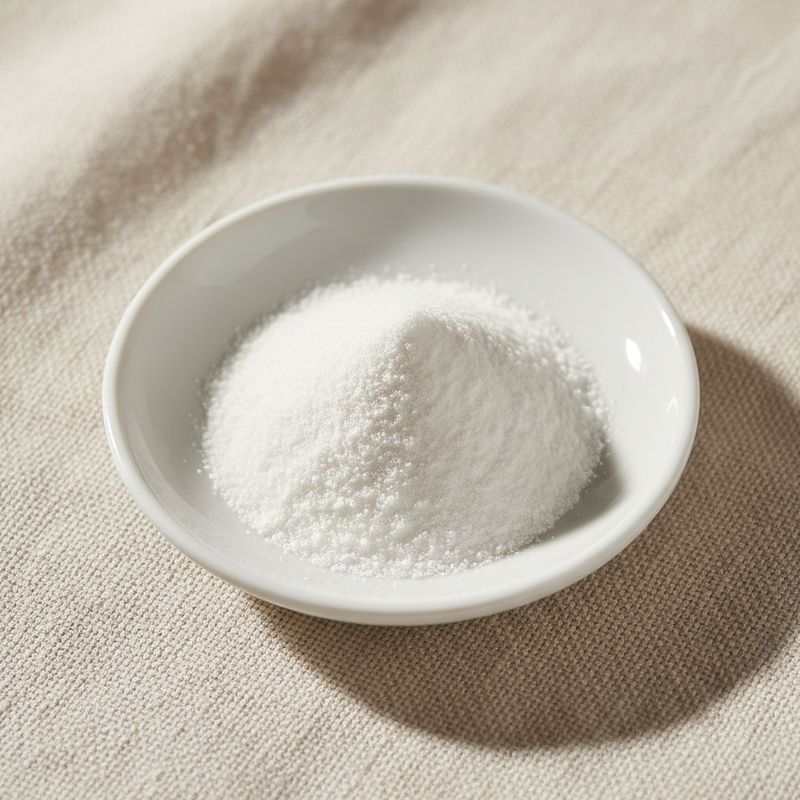
Description
The hydrochloride salt of glucosamine, an amino monosaccharide that forms a structural building block of cartilage, synovial fluid, and connective tissue. The most widely formulated joint-support ingredient in companion-animal supplements globally.
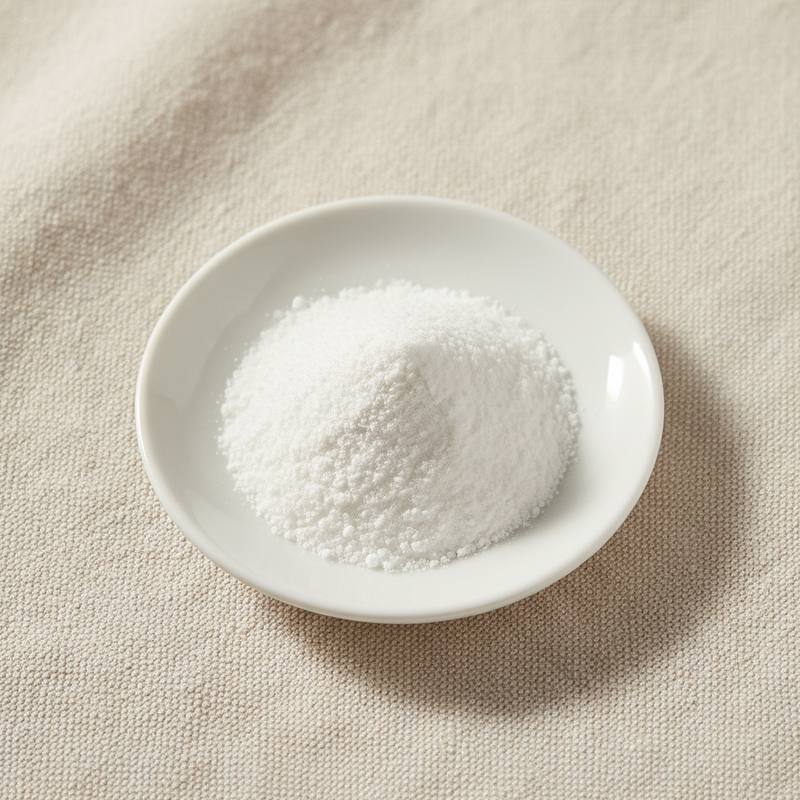
White crystalline powder with high water solubility. Delivers approximately 83 percent active glucosamine on a per-gram basis, the highest of the commercial glucosamine salts, which makes it the preferred input for compact tablets, chews, and high-active-loading premix systems.
We supply pet-grade and pharmaceutical-grade Glucosamine Hydrochloride from manufacturers in China holding ISO, Halal, Kosher and other certifications relevant to the product and production. Shellfish-derived and corn-fermentation (vegetarian, shellfish-free) sources available on request.
Common market grades include shellfish-derived 99 percent assay (the cost-leading standard for joint supplements), corn-fermented 99 percent assay for shellfish-free and vegetarian formulations, and pharmacopoeial USP and EP grades for veterinary medicinal products.
Bulk and reduced-MOQ shipments. Batch-level COA covering assay, specific rotation, chloride, sulfate, heavy metals, and microbiology.
Introduction
Glucosamine was first isolated in 1876 by German surgeon Georg Ledderhose from hydrochloric acid hydrolysis of chitin. The hydrochloride salt is produced today either by acid hydrolysis of shellfish chitin or, in the vegetarian production stream, by microbial fermentation of corn glucose using engineered Aspergillus niger or Escherichia coli.
Within mammalian physiology, glucosamine is a precursor to glycosaminoglycans and proteoglycans, the macromolecules that give articular cartilage its compressive strength and load-bearing capacity. Endogenous synthesis declines with age, which is the rationale for dietary supplementation in older companion animals.
Veterinary efficacy data on glucosamine-chondroitin combinations in osteoarthritic dogs accumulated through the 1990s and 2000s, and the ingredient is now classified by NRC and AAFCO frameworks as a nutraceutical with a well-established safety profile in dogs, cats, and horses. Regulatory treatment differs between food, supplement, and veterinary-drug channels by jurisdiction.
The HCl form is preferred over glucosamine sulfate in pet applications for two reasons: higher glucosamine content per gram (83 percent versus 65 percent for the sulfate-2KCl complex), and the absence of added sodium or potassium that some chronic-disease formulations need to avoid.
Where it is used
- Dog and cat joint-support chewable tablets, soft chews, and powders, typically co-formulated with chondroitin sulfate and MSM
- Senior dog and large-breed dog daily joint supplements; dosing scaled to body weight
- Equine joint supplements and oral pastes for performance horses and aging horses
- Veterinary therapeutic diets and prescription joint-support kibble premixes
- Hip and elbow dysplasia maintenance formulations for breed-predisposed dogs
- Functional pet treats and dental chews carrying joint-health claims
- Cartilage and connective-tissue support nutraceuticals for working and sporting dogs
- Veterinary post-surgical recovery and rehabilitation supplement blends
Technical data
| Item | Specification |
|---|---|
| Appearance | White crystalline powder |
| Assay (dry basis) | 98.0% to 102.0% |
| Loss on drying | ≤ 1.0% |
| pH (5% solution at 20 °C) | 3.0 to 5.0 |
| Specific rotation | +70.0° to +73.0° |
| Chloride | ≤ 17.0% |
| Sulfate | ≤ 0.24% |
| Residue on ignition | ≤ 0.1% |
| Heavy metals (as Pb) | ≤ 10 mg/kg |
| Arsenic | ≤ 3 mg/kg |
| Total plate count | ≤ 1,000 cfu/g |
| E. coli and Salmonella | Negative |
Related ingredients
Ready to discuss business?
Send us your spec and requirement. We will respond with availability and pricing within 24 hours.