Description
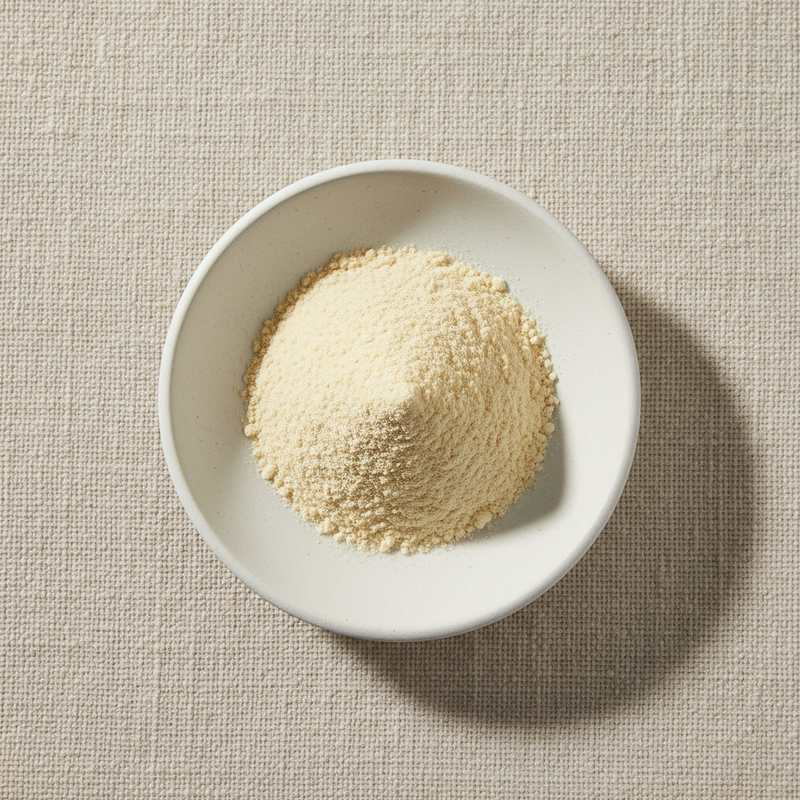
A spray-dried powder produced from lactic-acid fermented vegetable juices, typically including cabbage, beet, carrot, celery, and ginger in varied combinations. Retains the organic acid profile, vegetable phytonutrients, and fermentation-derived peptides of the parent fermented juice.
Beige to brown free-flowing powder with characteristic mildly fermented vegetable aroma. Soluble or readily dispersible in water.
We supply fermented vegetable juice powder products from manufacturers in China holding ISO, Halal, Kosher, GMP and other certifications relevant to the product and production.
Common market grades include single-vegetable fermented juice powders (red beet, carrot, cabbage) and multi-vegetable blends standardized to total organic acid content. Organic-certified and non-GMO documentation are available on request.
Bulk and reduced-MOQ shipments. Batch-level COA covering total organic acids, vegetable identity, moisture, microbiology, and heavy metals.
Introduction
Lactic-acid fermentation of vegetables has a documented history extending across virtually all temperate-climate culinary traditions, from European sauerkraut and Korean kimchi to Russian rassol and Chinese pao cai. The fermentation produces lactic acid as the dominant organic acid, lowering pH to inhibit pathogen growth while preserving and enhancing the nutritional and sensory profile of the vegetables.
Modern commercial fermented vegetable juice powders are produced by pressing the finished fermented vegetable mass, separating the juice, pasteurizing to halt fermentation and assure shelf stability, and spray-drying to a free-flowing powder with food-grade carriers.
The bioactive profile includes lactic acid and other short-chain organic acids, fermentation-derived peptides, the original vegetable phytonutrient fraction (carotenoids, betalains, glucosinolate breakdown products depending on source), and fermentation-derived B vitamins.
The principal product positioning is gut-health and digestive support, leveraging consumer interest in fermented foods. Pasteurization eliminates live microbial content, so positioning typically focuses on fermentation-derived metabolites and the prebiotic fiber fraction rather than probiotic activity.
Regulatory framework treats fermented vegetable juice powders as recognized foods in major markets, with specific allergen and identity labeling depending on the vegetable composition.
Where it is used
- Functional beverage and green-juice powder formulations
- Nutraceutical supplements positioned for digestive and gut health
- Powdered meal replacement and superfood blend products
- Functional bar and snack product fortification
- Plant-based meat alternative seasoning and color systems
- Pet nutrition functional ingredients
- Cosmetic functional ingredient applications
Technical data
| Item | Specification |
|---|---|
| Appearance | Beige to brown free-flowing powder |
| Total organic acids (as lactic) | ≥ 2.0% |
| Moisture | ≤ 6.0% |
| Carrier content | Documented per lot |
| Solubility | Soluble or readily dispersible in water |
| Total plate count | ≤ 5000 cfu/g |
| Yeast and mold | ≤ 100 cfu/g |
| Salmonella | Negative in 25 g |
| Heavy metals (as Pb) | ≤ 1 mg/kg |
Related ingredients

Ready to discuss business?
Send us your spec and requirement. We will respond with availability and pricing within 24 hours.