Description
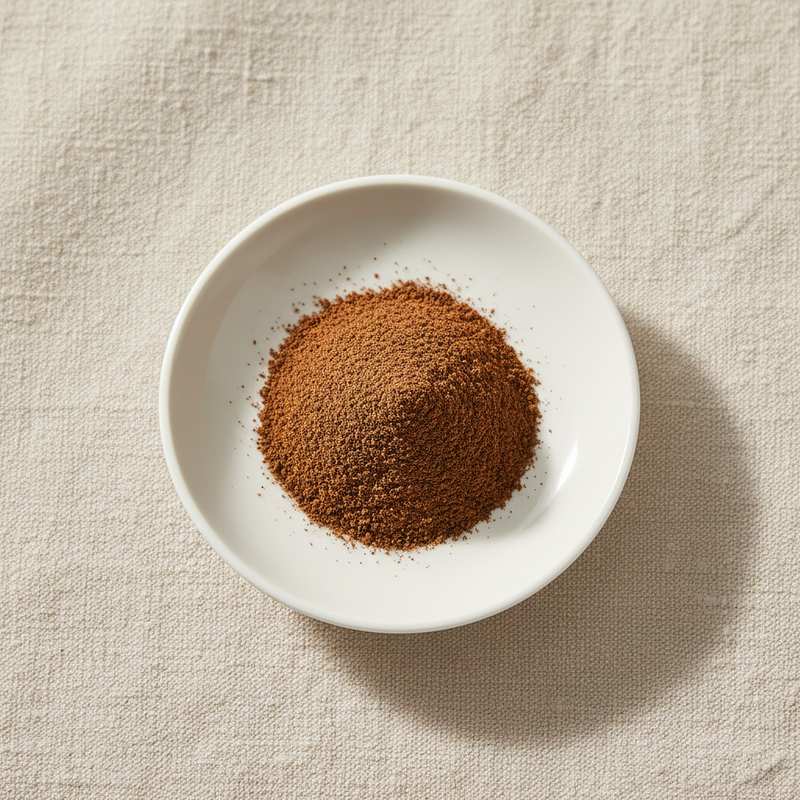
An extract of douchi, the traditional Chinese fermented black soybean preparation produced by Aspergillus oryzae and Mucor species fermentation of cooked black soybeans. Concentrated for functional food and supplement applications with retention of the peptide, isoflavone, and umami flavor compound fractions.
Dark brown fine powder with the characteristic deep umami and slightly fermented aroma of douchi. Soluble in water with mild stirring.
We supply douchi extract products from manufacturers in China holding ISO, Halal, Kosher, GMP and other certifications relevant to the product and production.
Common market grades include culinary-grade flavor extract, peptide-standardized extract for functional food positioning, and isoflavone-standardized extract for nutraceutical applications. Customer-specific extract profiles are available on request.
Bulk and reduced-MOQ shipments. Batch-level COA covering total protein, peptide content, isoflavone content, sodium content, microbiology, and heavy metals.
Introduction
Douchi (sometimes romanized as tochi or toushi) is one of the oldest fermented soybean preparations in Chinese culinary history, with archaeological evidence of production dating to the Han dynasty. The preparation involves cooking black soybeans, inoculating with Aspergillus oryzae or related fermentation cultures, and aging under controlled humidity for weeks to months.
The fermentation hydrolyzes soybean proteins to peptides and free amino acids, including glutamate that contributes the umami character; converts isoflavone glycosides to the more bioavailable aglycone forms (daidzein, genistein, glycitein); and develops the dark color and complex aroma profile through Maillard and microbial reactions.
Commercial extract is produced by water extraction of finished douchi, filtration, concentration under vacuum, and spray-drying to yield a soluble powder retaining the peptide, isoflavone, and aroma compound fractions.
Beyond culinary applications, douchi extract has attracted research interest for the cardiovascular and metabolic effects of fermented-soybean peptides and isoflavones. Functional food positioning typically standardizes one or more peptide or isoflavone markers.
Sodium content is significant in conventional douchi due to salt used in traditional fermentation. Reduced-sodium variants are produced through low-salt fermentation processes for modern health-positioned applications.
Where it is used
- Savory seasoning and umami enhancement in soups, sauces, and gravies
- Functional food fortification in Asian-style noodle, broth, and condiment products
- Nutraceutical formulations positioned for cardiovascular and metabolic support
- Premium Asian-style culinary seasoning blends
- Plant-based meat alternatives for umami and depth of flavor
- Snack seasoning powders for crackers, chips, and savory snack categories
- Soy peptide and isoflavone delivery in soy-based functional foods
Technical data
| Item | Specification |
|---|---|
| Appearance | Dark brown fine powder |
| Total protein | ≥ 30.0% |
| Total isoflavones | ≥ 1.0% |
| Moisture | ≤ 6.0% |
| Sodium content | Varies by grade, documented per lot |
| Total plate count | ≤ 10000 cfu/g |
| Yeast and mold | ≤ 100 cfu/g |
| Salmonella | Negative in 25 g |
| Heavy metals (as Pb) | ≤ 1 mg/kg |
Related ingredients
Ready to discuss business?
Send us your spec and requirement. We will respond with availability and pricing within 24 hours.