Description
The extract of Fennel seeds (Foeniculum vulgare), supplied as essential oil, oleoresin, and standardized powder extract. The principal volatile compounds are trans-anethole (50 to 80 percent of essential oil) and fenchone (5 to 30 percent). Used in digestive-support supplements, breast-milk-support products (galactagogue positioning), and licorice-anise flavor applications.
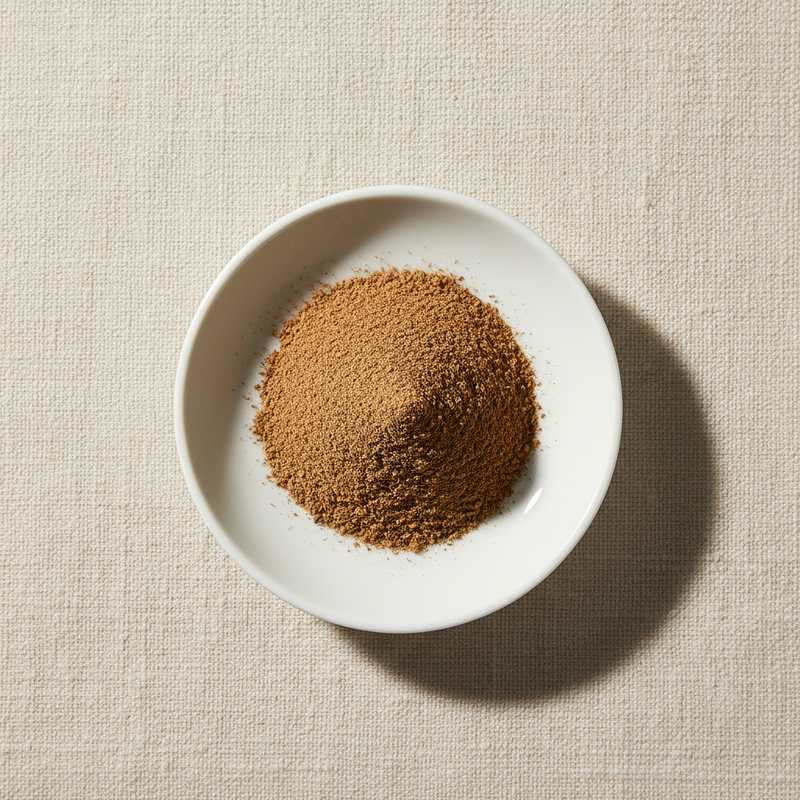
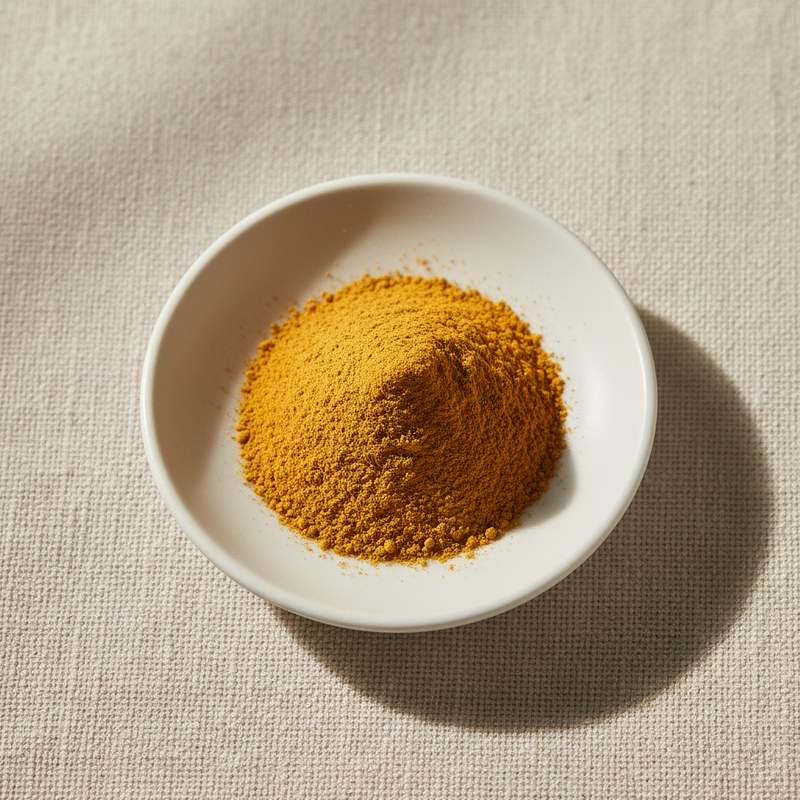
Light yellow to brown free-flowing powder, or pale yellow essential oil.
We supply food-grade Fennel Seed Extract from manufacturers in China holding ISO, Halal, Kosher and other certifications relevant to the product and production.
Common market grades include Fennel Essential Oil (steam-distilled, food and pharmaceutical grade), Fennel Oleoresin (solvent-extracted concentrate), Fennel Seed 4:1 to 10:1 supplement-grade powder extract, and Sweet Fennel (var. dulce) versus Bitter Fennel (var. vulgare) grade differentiation.
Bulk and reduced-MOQ shipments. Batch-level COA covering trans-anethole content (GC), fenchone content, estragole content (subject to maximum limits in food applications), residual solvents, heavy metals, pesticides, and microbiology.
Introduction
Fennel has been used as food, medicine, and aromatic since at least ancient Egyptian times. The plant is a member of the Apiaceae family (the carrot and parsley family), and the seeds, leaves, and bulbs all have distinct culinary and medicinal applications. The seed essential oil is the principal commercial extract for flavor and supplement applications.
Industrial production proceeds by steam distillation (for essential oil), solvent extraction (for oleoresin), and aqueous or hydroalcoholic extraction (for supplement-grade powder extracts). Source variety affects composition meaningfully: sweet fennel (var. dulce) emphasizes trans-anethole and is preferred for sweet flavor and supplement applications; bitter fennel (var. vulgare) provides higher fenchone content for liqueur and bitter applications.
Recognized as a permitted food ingredient by the U.S. FDA (GRAS), the European Food Safety Authority, and equivalent regulators worldwide. The European Medicines Agency has issued monographs for fennel as a traditional herbal medicine for digestive complaints and as an expectorant.
Estragole content (a minor volatile component with regulatory limits due to genotoxic concerns at high doses) is monitored in pharmaceutical and food applications. Sweet fennel and adult-supplement applications generally fall well within established safety margins.
Strategic positioning combines digestive-support supplements, lactation-support specialty applications, traditional herbal medicine, and flavor and spice applications.
Where it is used
- Digestive-support and carminative dietary supplements: bloating, colic, and digestive comfort (the dominant supplement application)
- Lactation and breast-milk-support supplements (galactagogue positioning)
- Pediatric digestive products: gripe water and infant digestive formulations
- Spice and flavor applications: bakery, sausage, fish, liqueur flavoring
- Traditional herbal medicine: digestive and lactation applications
- Tea and beverage flavoring: fennel teas and herbal blends
- Mouth-freshener applications (traditional Indian mukhwas)
- Pharmaceutical applications: carminative and digestive medications in some markets
Technical data
| Item | Specification |
|---|---|
| Appearance | Light yellow to brown free-flowing powder or pale yellow oily liquid |
| trans-Anethole (GC) | 50% to 80% (essential oil) |
| Fenchone (GC) | 5% to 30% (essential oil) |
| Estragole | declared per batch, within applicable limits |
| Herb-to-extract ratio | 4:1 / 10:1 (supplement grades) |
| Loss on drying | ≤ 5.0% |
| Heavy metals (as Pb) | ≤ 2 mg/kg |
| Source | Foeniculum vulgare dried seeds |
Related ingredients
Ready to discuss business?
Send us your spec and requirement. We will respond with availability and pricing within 24 hours.