Description
Enterococcus faecium is a robust lactic acid bacterium long used in feed and pharmaceutical probiotic applications. Only selected commercial strains free of virulence factors and antibiotic resistance genes (verified by whole-genome sequencing) are supplied for these applications.
Supplied as a freeze-dried powder with viability between 100 and 500 billion CFU per gram at release. Exceptional tolerance to heat, acid, bile, and oxygen makes the species a workhorse for feed pellets and shelf-stable formats.
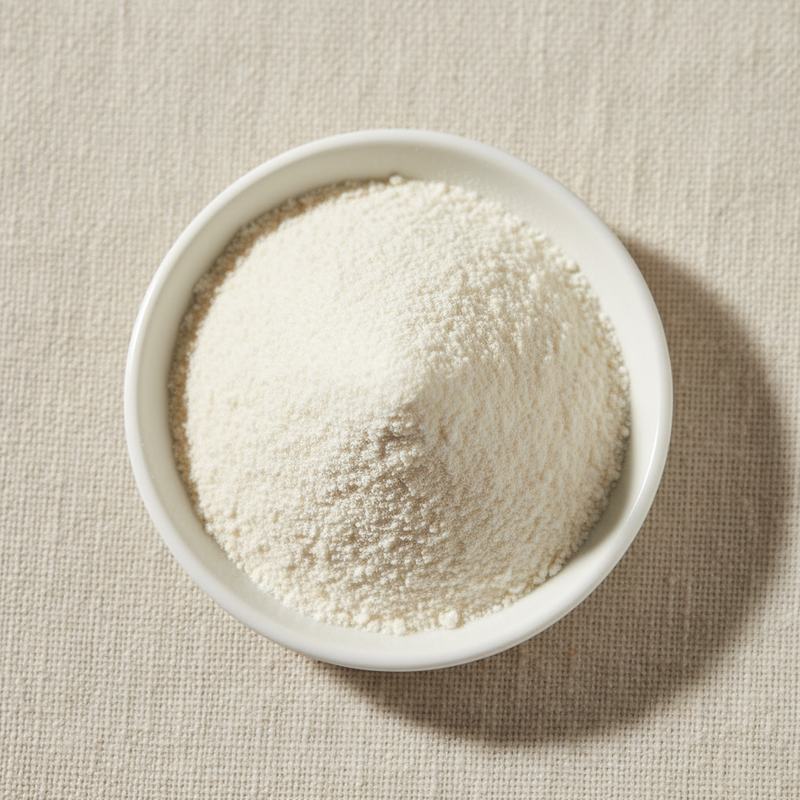
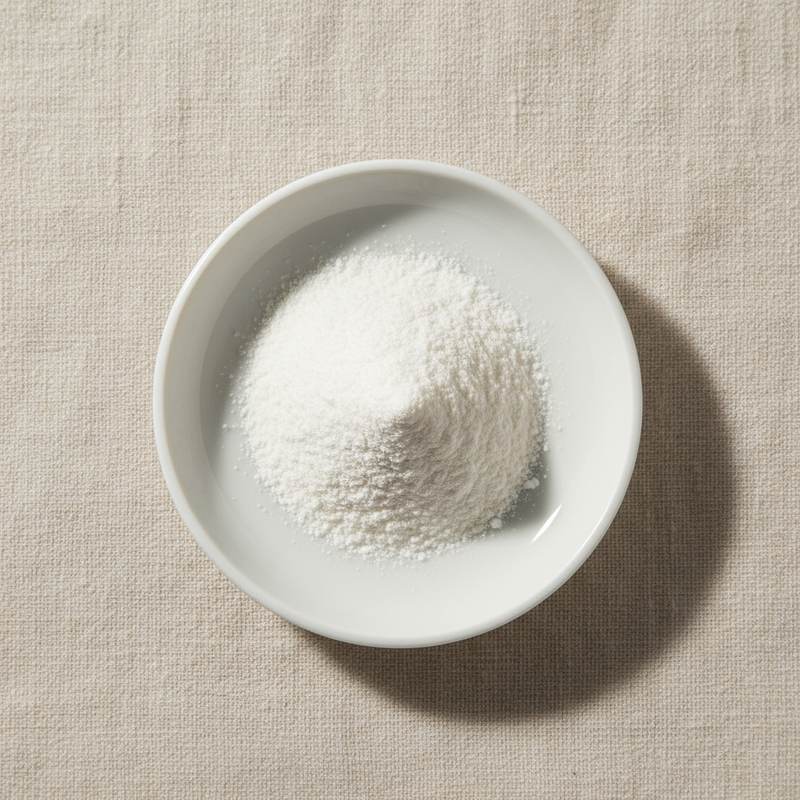
Off-white to pale beige free-flowing powder with a neutral fermented note. Particle size suitable for capsule, sachet, feed pellet, and oral suspension applications.
We supply food-grade, feed-grade, and pharmaceutical-grade Enterococcus faecium from manufacturers in China holding ISO 22000, FSSC 22000, FAMI-QS, GMP, Halal, Kosher, and other certifications relevant to probiotic strain production.
Common market grades include 100, 200, and 500 billion CFU per gram freeze-dried powders, spray-dried heat-tolerant feed grades, pharmaceutical SF68 commercial-equivalent strains for human probiotic medicines, and pet food probiotic premixes. Strain safety dossiers covering whole-genome sequencing for virulence and resistance gene exclusion accompany pharmaceutical-positioned grades. Bulk and reduced-MOQ shipments with batch-level COA.
Introduction
Enterococcus faecium has a long history of commensal presence in the gastrointestinal tracts of humans and animals and an even longer industrial history as a fermentation and feed organism. The pharmaceutical strain SF68 was developed by Cernelle in Sweden during the 1970s and remains the basis of human probiotic medicines registered in many European, Asian, and Latin American markets.
Industrial production uses MRS-based or proprietary media under microaerophilic conditions, with biomass harvest, cryoprotectant blending, and lyophilization. Spray-dried heat-tolerant feed grades are produced by encapsulation followed by controlled-temperature spray drying.
Regulatory status is bifurcated: specific commercial strains hold European Medicines Agency or national pharmaceutical authorizations for human medicinal use, while feed strain NCIMB 10415 is authorized under EU Regulation 1831/2003 as a feed additive. Strain safety verification by whole-genome sequencing for absence of transferable vancomycin resistance and key virulence factors is essential and is included in our specification sheets.
Clinical and veterinary evidence supports use in antibiotic-associated diarrhea adjunct therapy in humans, improvement of feed conversion and reduction of enteric infections in livestock, and management of acute and chronic diarrhea in companion animals.
Where it is used
- Pharmaceutical probiotic medicines (SF68 commercial-equivalent strains)
- Animal feed probiotic premixes for poultry, swine, and ruminants
- Pet food and companion animal probiotic supplements
- Aquaculture probiotic premixes
- Adult capsules for antibiotic-recovery support
- Travelers diarrhea adjunct formulations
- Veterinary oral suspensions and pastes
- Multi-strain feed probiotic blends
- Silage inoculants
Technical data
| Item | Specification |
|---|---|
| Appearance | Off-white to pale beige free-flowing powder |
| Viable cell count | ≥ 200 billion CFU/g (100B, 200B, 500B grades) |
| Strain identity and safety | Whole-genome sequenced; vancomycin resistance and virulence factor genes absent |
| Moisture (loss on drying) | ≤ 5.0% |
| Particle size | ≥ 95% through 80 mesh |
| Heavy metals (as Pb) | ≤ 1 mg/kg |
| Arsenic | ≤ 0.5 mg/kg |
| Salmonella | Absent in 25 g |
| E. coli | Absent in 10 g |
| Staphylococcus aureus | Absent in 10 g |
| Yeast and mold | ≤ 50 CFU/g |
| Shelf life | 24 months from manufacture under recommended storage |
| Storage | −18 °C sealed; 2 to 8 °C after opening |
Related ingredients
Ready to discuss business?
Send us your spec and requirement. We will respond with availability and pricing within 24 hours.