Description
A full-spectrum botanical extract from the purple coneflower (Echinacea purpurea), preserving the alkamide fraction (the principal lipophilic active marker) alongside cichoric acid and the wider polyphenol profile. Used in immune-support dietary supplements and cold-remedy formulations globally.
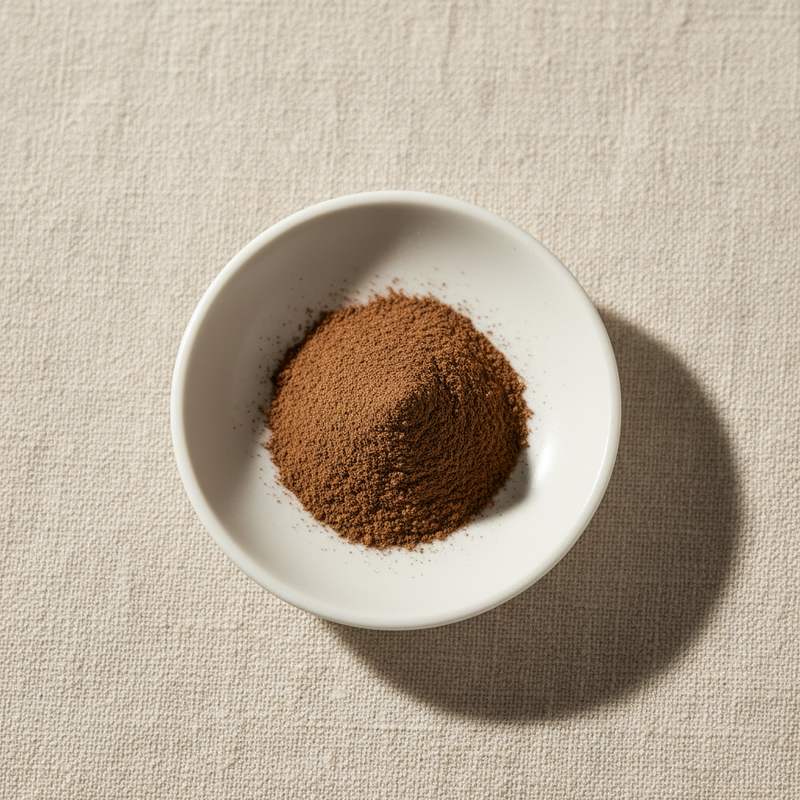
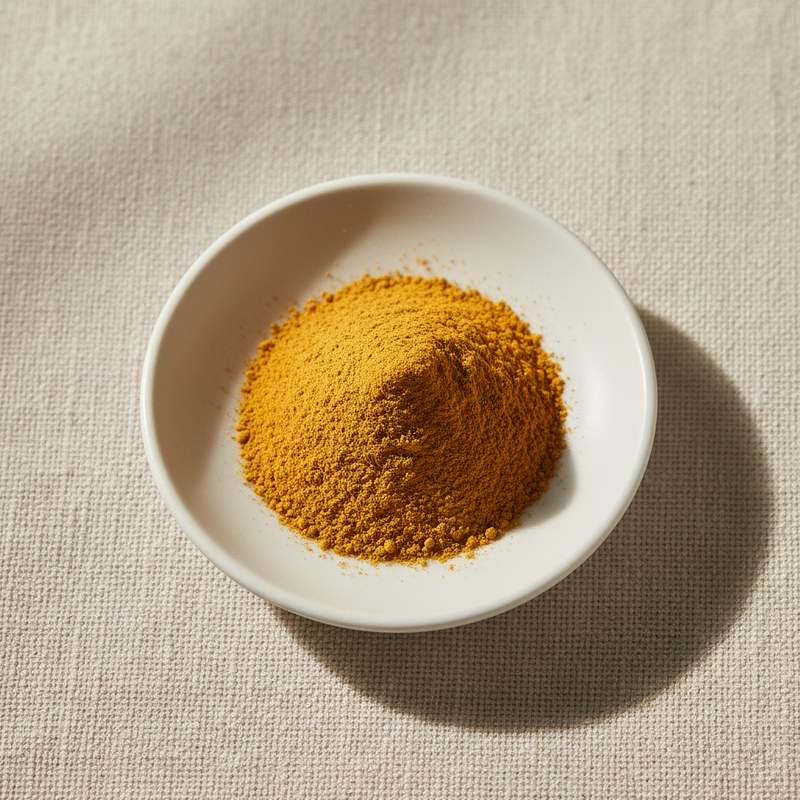
Yellow-brown to dark brown free-flowing powder. Partially water-soluble; the alkamide fraction is preserved through hydroalcoholic extraction.
We supply food-grade Echinacea Purpurea Extract from manufacturers in China holding ISO, Halal, Kosher and other certifications relevant to the product and production. Organic-certified grades are available.
Common market grades include 4:1 Concentration Ratio (standard fortified-food grade), 10:1 Concentration Ratio (premium supplement grade), 4 percent Polyphenols (standardized supplement grade), 4 percent Polyphenols plus 0.5 percent Alkamides (premium dual-marker grade matching the EP specification), and Aerial-Parts Pressed Juice Powder (the German pharmaceutical-format starting material).
Bulk and reduced-MOQ shipments. Batch-level COA covering total polyphenols (UV), cichoric acid (HPLC), total alkamides (HPLC), residual solvents, heavy metals, pesticides, and microbiology.
Introduction
Echinacea purpurea is one of three commercially significant Echinacea species used as immune-support botanicals (alongside E. angustifolia and E. pallida). The purple coneflower was widely adopted in early 20th century European phytotherapy and remains the dominant Echinacea species in commercial cultivation today, particularly for aerial-parts extracts.
Industrial production proceeds by hydroalcoholic extraction of aerial parts (the alkamide-rich fraction), roots (also alkamide-rich), or fresh-pressed plant juice (the German pharmaceutical-format starting material). Concentration and spray-drying yield standardized extracts to defined polyphenol or dual marker specifications.
Listed in EP and several national pharmacopoeias as a pharmaceutical product. Recognized as a permitted food ingredient by the U.S. FDA (GRAS) and the European Food Safety Authority.
The principal characterized actives are the alkamides (lipophilic isobutylamides) and the polyphenols (cichoric acid and caftaric acid). The alkamides are believed to underlie immunomodulatory activity through cannabinoid receptor pathways and are the principal pharmacological focus of modern research.
Strategic positioning is dominated by immune-support supplements and cold-remedy formulations, with established European phytopharmaceutical channels supporting the highest-value applications.
Where it is used
- Immune-support dietary supplements: cold and flu prevention (the dominant commercial application globally)
- Cold-and-flu remedy formulations: tinctures, syrups, lozenges
- Premium pediatric immune-support formulations (in approved markets)
- Functional beverages: immune-shot and wellness drinks
- European pharmaceutical-channel phytotherapy products
- Veterinary immune-support formulations
- Cosmetic skincare: anti-inflammatory and skin-soothing formulations
- Sports nutrition: immune-support recovery formulations
Technical data
| Item | Specification |
|---|---|
| Appearance | Yellow-brown to dark brown free-flowing powder |
| Concentration ratio | 4:1 / 10:1 (grade dependent) |
| Total polyphenols (UV) | 4% (standardized grades) |
| Cichoric acid (HPLC) | ≥ 1% |
| Total alkamides (HPLC) | ≥ 0.5% (premium dual-marker grades) |
| Loss on drying | ≤ 5.0% |
| Heavy metals (as Pb) | ≤ 2 mg/kg |
| Total plate count | ≤ 1000 cfu/g |
| Source | Echinacea purpurea aerial parts, roots, or fresh-pressed juice |
Related ingredients
Ready to discuss business?
Send us your spec and requirement. We will respond with availability and pricing within 24 hours.