Description
A standardized extract from the American cranberry (Vaccinium macrocarpon), characterized by type-A proanthocyanidin (PAC-A) content. The dominant urinary-tract-health botanical supplement ingredient globally. Type-A PACs are the structural feature that distinguishes cranberry from grape and other PAC sources and underlies the unique anti-adhesion activity against uropathogenic E. coli.
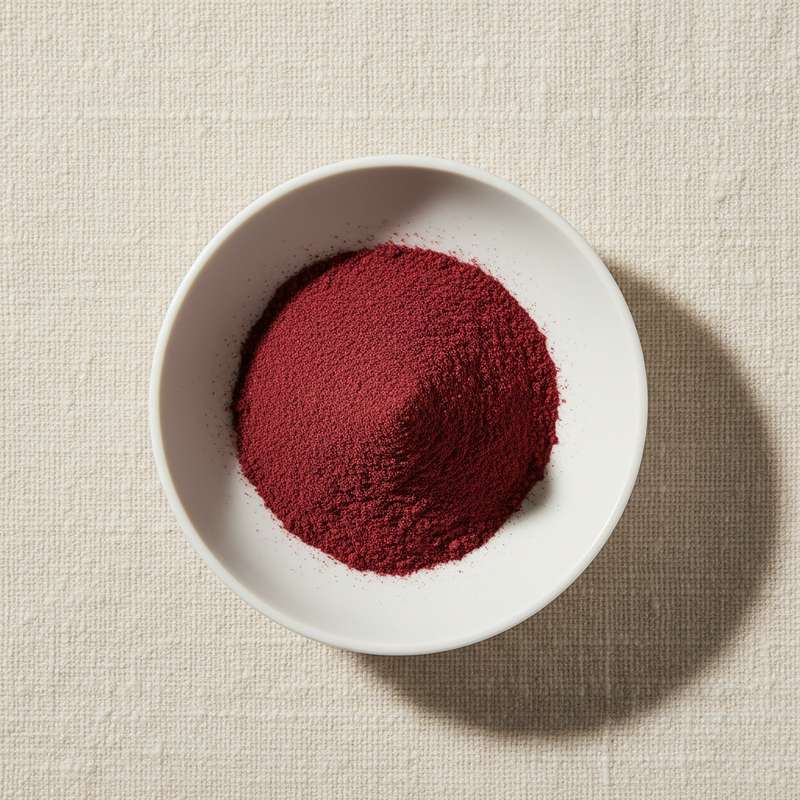
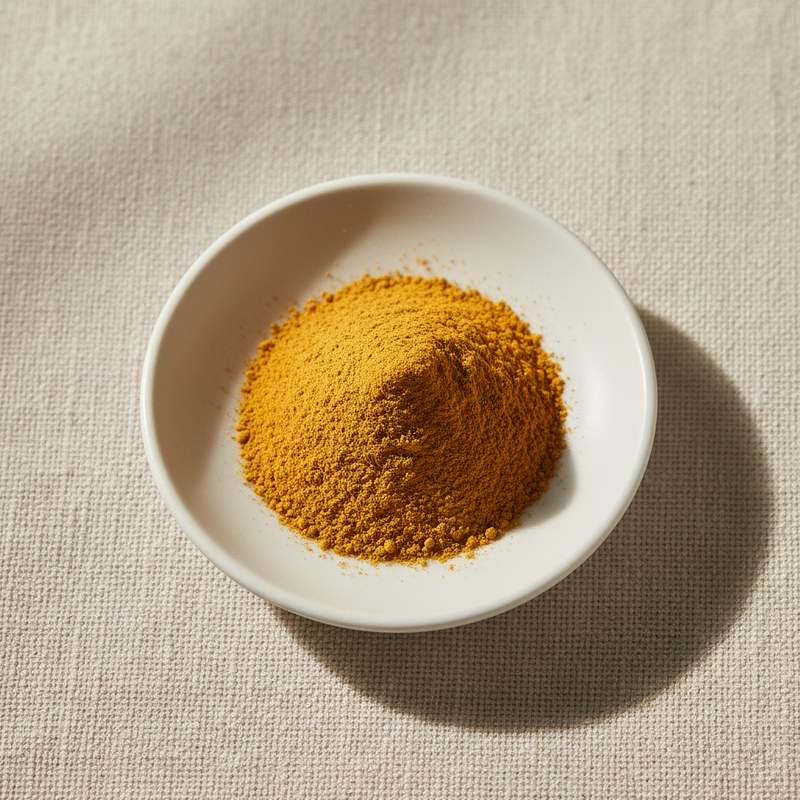
Reddish-pink to dark red free-flowing powder. Highly water-soluble.
We supply food-grade Cranberry Extract from manufacturers in China holding ISO, Halal, Kosher and other certifications relevant to the product and production. Organic-certified grades are available.
Common market grades include 5 percent PAC by BL-DMAC method (food-fortification baseline), 10 percent PAC by BL-DMAC (standard supplement grade), 25 percent PAC by BL-DMAC (premium supplement grade), 36 mg PAC standardized capsule format (the clinical-dose-positioned grade), and Whole Cranberry Fruit Powder (spray-dried juice grade for fortification and natural color).
Bulk and reduced-MOQ shipments. Batch-level COA covering proanthocyanidins by BL-DMAC (the industry-standard method), residual solvents, heavy metals, pesticides, and microbiology.
Introduction
Cranberry has been used as a urinary-health folk remedy in North America since at least the 17th century. The discovery in the 1990s that type-A proanthocyanidins inhibit adhesion of uropathogenic E. coli to urothelial cells provided the modern mechanistic basis for the traditional use.
Industrial production proceeds by hot-water and ethanol extraction of dried cranberry pomace or whole fruit, followed by concentration and spray-drying. Premium PAC-standardized grades require additional chromatographic purification or membrane separation.
The industry-standard analytical method is the BL-DMAC assay, which provides reproducible PAC quantification calibrated against procyanidin A2 reference standard. Older A2 equivalent methods overstate PAC content versus BL-DMAC by approximately 4 to 5 fold.
Recognized as a permitted food ingredient by the U.S. FDA (GRAS), the European Food Safety Authority, and equivalent regulators worldwide. EFSA has approved a qualified health claim for cranberry products at 36 mg PAC per day for women with recurrent UTI in some markets.
Strategic positioning is dominated by urinary-tract-health supplements globally, with strong women's-health and senior-care channel applications.
Where it is used
- Urinary-tract-health dietary supplements (the dominant commercial application globally)
- Women's-health and recurrent-UTI prevention formulations
- Functional beverages: urinary-health and superfruit-positioned drinks
- Cosmetic skincare: antioxidant and anti-aging formulations
- Pet supplements positioned for urinary health
- Functional fortified foods and bars
- Senior-positioned supplement formulations
- Premium gummy and chewable supplement formats
Technical data
| Item | Specification |
|---|---|
| Appearance | Reddish-pink to dark red free-flowing powder |
| Proanthocyanidins (BL-DMAC) | 5% / 10% / 25% (grade dependent) |
| PAC per dose (standardized capsule) | ≥ 36 mg |
| Loss on drying | ≤ 6.0% |
| Residue on ignition | ≤ 5.0% |
| Heavy metals (as Pb) | ≤ 2 mg/kg |
| Total plate count | ≤ 1000 cfu/g |
| Source | Vaccinium macrocarpon fruit or pomace |
Related ingredients
Ready to discuss business?
Send us your spec and requirement. We will respond with availability and pricing within 24 hours.