Description
The extract of Coriander seeds (Coriandrum sativum), supplied as essential oil, oleoresin, and standardized powder extract. The essential oil is dominated by linalool (60 to 80 percent), distinguishing the seed profile substantially from the leaf (cilantro) profile which is dominated by aldehydes responsible for the polarizing 'soapy' taste perception. Used in flavor applications, digestive-support supplements, and traditional medicine.
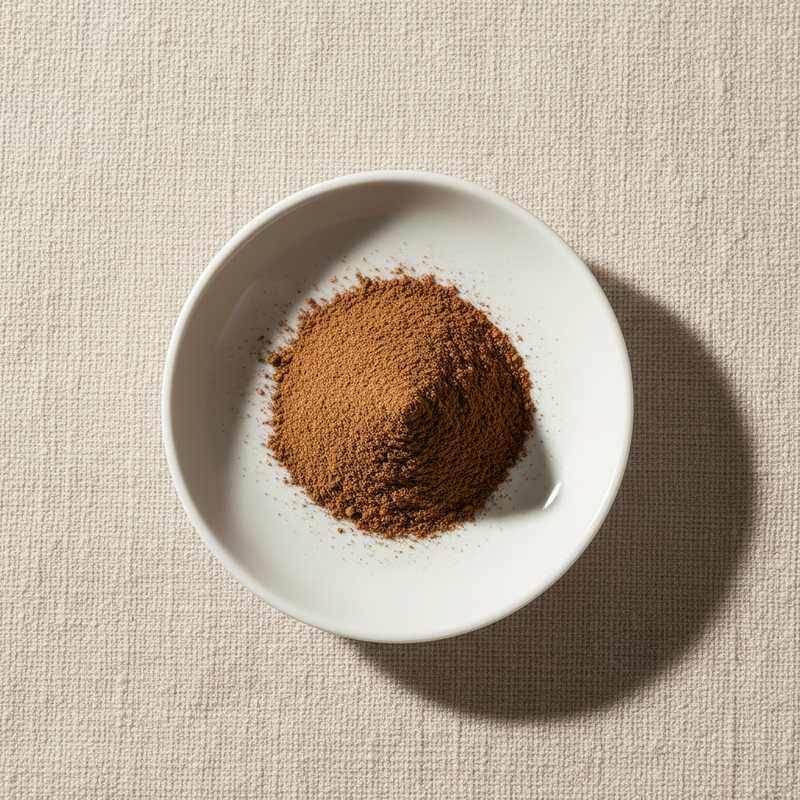
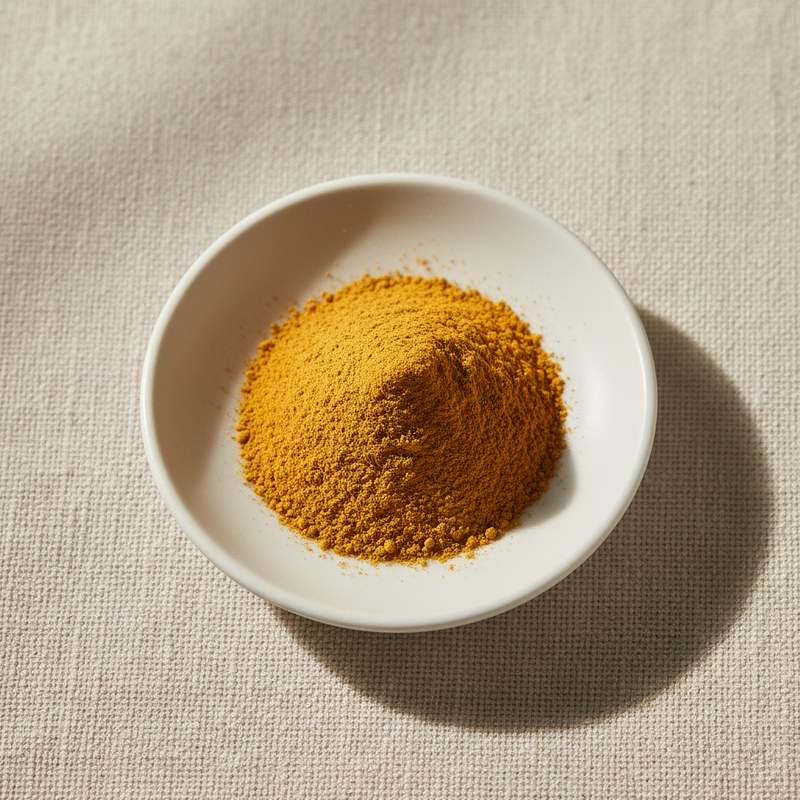
Light yellow to brown free-flowing powder, or colorless to pale yellow essential oil with characteristic warm-spicy aroma.
We supply food-grade Coriander Seed Extract from manufacturers in China holding ISO, Halal, Kosher and other certifications relevant to the product and production.
Common market grades include Coriander Essential Oil (steam-distilled, 60 to 80 percent linalool), Coriander Oleoresin (solvent-extracted concentrate), and Coriander Seed 4:1 to 10:1 supplement-grade powder extract.
Bulk and reduced-MOQ shipments. Batch-level COA covering linalool content (GC), residual solvents, heavy metals, pesticides, and microbiology.
Introduction
Coriander is one of the oldest cultivated spices, with archaeological evidence of use dating to at least 6,000 years ago in the Mediterranean and Middle East. The seeds were referenced in the Old Testament and found in ancient Egyptian tombs. Modern coriander cultivation is global, with major production in India, Russia, Eastern Europe, and Morocco.
Industrial production proceeds by steam distillation (essential oil), solvent extraction (oleoresin), and aqueous or hydroalcoholic extraction (supplement-grade powder extracts). The seed essential oil yield is typically 0.5 to 1.5 percent of dry seed weight.
Recognized as a permitted food ingredient by the U.S. FDA (GRAS), the European Food Safety Authority, and equivalent regulators worldwide.
Linalool is the dominant aromatic compound, also widely distributed in lavender, rosewood, and other aromatic plants. The compound has documented antimicrobial, antifungal, and mild sedative activities at appropriate concentrations.
Strategic positioning combines high-volume flavor and gin-botanical applications (the dominant commercial segments), traditional medicine supplements, and the niche but visible heavy-metal-detoxification positioning that has supported certain specialty supplement applications.
Where it is used
- Spice and seasoning flavor applications: bakery, sausage, curry blends, gin flavoring (the dominant commercial application)
- Digestive-support and carminative dietary supplements
- Heavy-metal detoxification positioned supplements (the controversial chelation-support claim)
- Traditional Ayurvedic and Mediterranean herbal medicine
- Perfumery and fragrance applications
- Gin distillation flavoring (essential botanical for many gin recipes)
- Pharmaceutical applications: carminative and digestive formulations
- Cosmetic skincare and aromatherapy
Technical data
| Item | Specification |
|---|---|
| Appearance | Light yellow to brown free-flowing powder or colorless to pale yellow oily liquid |
| Linalool (GC) | 60% to 80% (essential oil) |
| Volatile oil content (oleoresin) | ≥ 50% |
| Herb-to-extract ratio | 4:1 / 10:1 (supplement grades) |
| Loss on drying | ≤ 5.0% |
| Heavy metals (as Pb) | ≤ 2 mg/kg |
| Total plate count | ≤ 10000 cfu/g |
| Source | Coriandrum sativum dried seeds |
Related ingredients
Ready to discuss business?
Send us your spec and requirement. We will respond with availability and pricing within 24 hours.