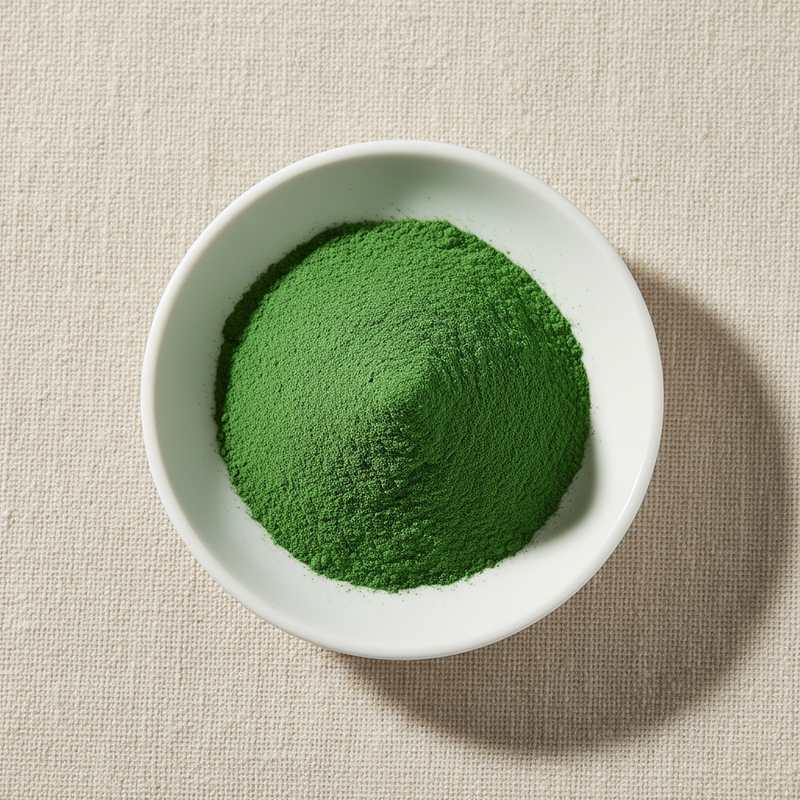
Description
An organic copper salt of D-gluconic acid, supplying approximately 14 percent elemental copper by weight. The most widely used copper source in human dietary supplements, infant formula fortification, and pharmaceutical preparations due to favorable taste, solubility, and bioavailability profile.
Light blue to fine pale blue crystalline powder, freely soluble in water. Characteristic blue color is diagnostic of the copper(II) gluconate complex.
We supply food-grade and pharmaceutical-grade Copper Gluconate from manufacturers in China holding ISO, FSSC 22000, Halal, Kosher, and other certifications relevant to the product and production.
Common market grades include USP, EP, and BP pharmaceutical-grade for human supplement and parenteral use, food-grade for premix and infant formula fortification, fine-mesh grade for powdered beverages and stick-packs, and granulated direct-compression grade. Bulk and reduced-MOQ shipments with batch-level COA covering assay, elemental copper, heavy metals, and microbiology.
Introduction
Copper is an essential trace element and a constituent of cuproenzymes including ceruloplasmin, cytochrome c oxidase, lysyl oxidase (connective tissue cross-linking), and copper-zinc superoxide dismutase. Dietary copper deficiency is rare but can occur in patients on long-term zinc supplementation due to competitive absorption.
Industrial production uses reaction of copper carbonate or copper hydroxide with D-gluconic acid (produced by enzymatic oxidation of glucose) in aqueous solution under controlled temperature and pH, followed by crystallization and drying. Strict control of impurity copper salts (chloride, sulfate) is maintained for pharmacopoeial grades.
Regulatory status includes USP, EP, JP, and BP monographs, recognition as a permitted copper source for food supplements and infant formula under EU Regulation 1925/2006 and the EU infant formula directive, GRAS notifications with FDA, and authorization as a feed additive under EU Regulation 1831/2003.
Bioavailability of copper from gluconate is comparable to or slightly higher than from sulfate, with the gluconate ligand contributing favorable solubility and taste characteristics. The salt is preferred over copper sulfate in oral pharmaceutical and supplement applications due to reduced gastrointestinal irritation and improved palatability.
Where it is used
- Copper supplements in capsules, tablets, and multivitamins
- Infant formula and follow-on formula copper fortification
- Pediatric drops and chewable supplements
- Anemia and connective tissue support formulations
- Multi-mineral and prenatal supplements
- Functional beverages and stick-pack powders
- Hair, skin, and nail support products
- Antioxidant and immune support formulations
- Pharmaceutical parenteral copper supplementation
Technical data
| Item | Specification |
|---|---|
| Appearance | Light blue to pale blue fine crystalline powder |
| Assay (dry basis) | 98.0 to 102.0% |
| Elemental copper | 13.5 to 14.4% w/w |
| Loss on drying | ≤ 1.0% |
| Sulfate | ≤ 200 mg/kg |
| Chloride | ≤ 200 mg/kg |
| Heavy metals (as Pb) | ≤ 10 mg/kg |
| Arsenic | ≤ 2 mg/kg |
| Cadmium | ≤ 1 mg/kg |
| Mercury | ≤ 0.1 mg/kg |
| Reducing substances | Meets pharmacopoeial test |
| Microbiology | Meets pharmacopoeial limits for food/pharmaceutical grade |
| Shelf life | 36 months from manufacture under recommended storage |
| Storage | Cool, dry, sealed; protect from light and humidity |
Related ingredients
Ready to discuss business?
Send us your spec and requirement. We will respond with availability and pricing within 24 hours.