Description
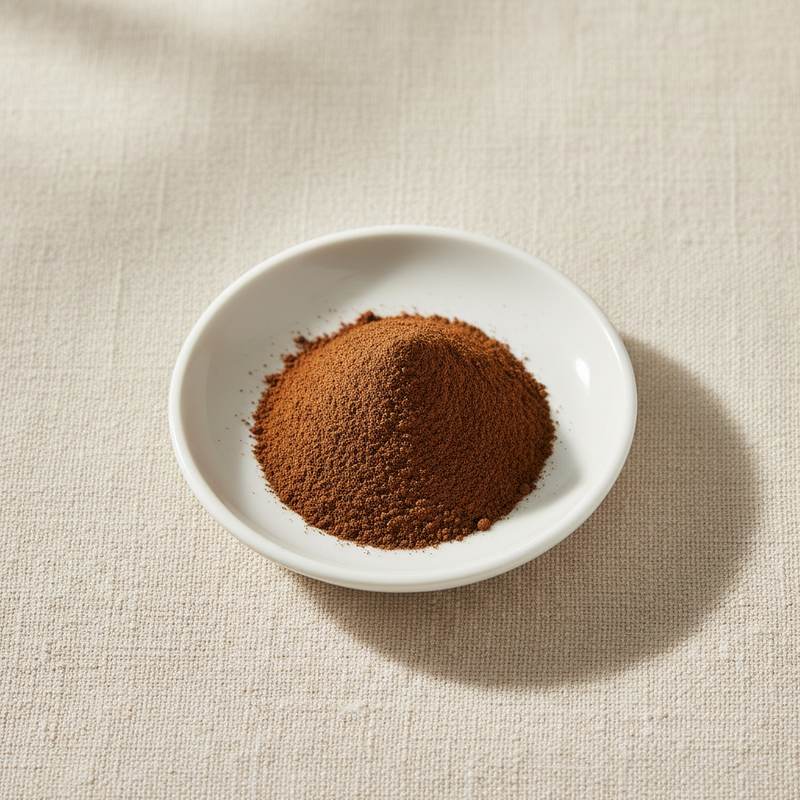
The standardized extract of Codonopsis pilosula root (dang shen), often used in Traditional Chinese Medicine as a milder, lower-cost alternative to Panax ginseng. Standardized to polysaccharide content as the principal active fraction. Used in energy-support and adaptogen supplement formulations.
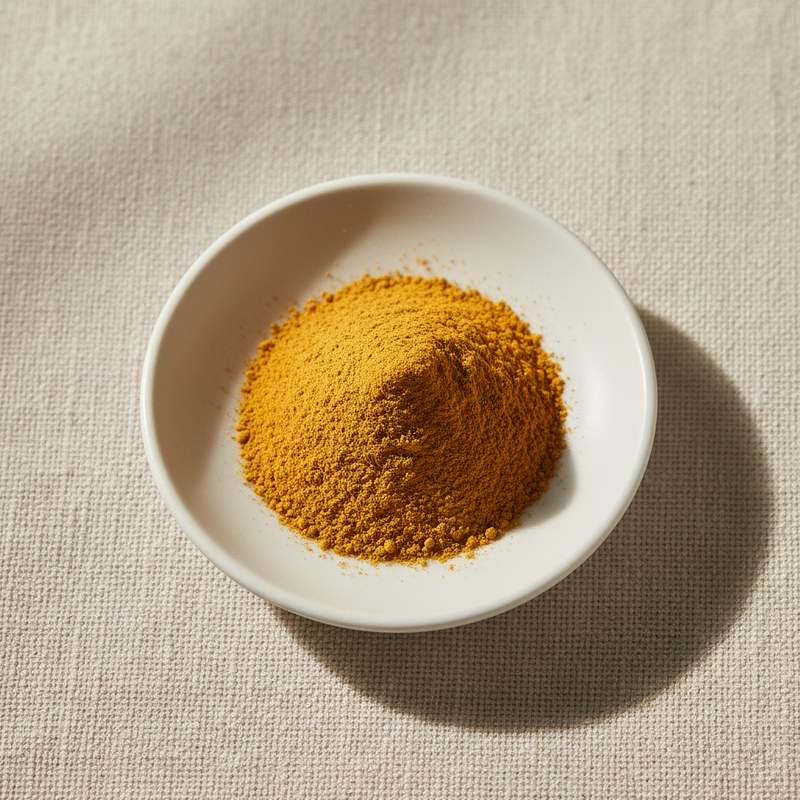
Light brown to brown free-flowing powder. Highly water-soluble.
We supply food-grade Codonopsis Pilosula Extract from manufacturers in China holding ISO, Halal, Kosher and other certifications relevant to the product and production.
Common market grades include 4:1 to 20:1 herb-to-extract ratios (the standard supplement grades), 10 percent Polysaccharides (the standardized supplement grade), 30 percent Polysaccharides (premium grade), and 50 percent Polysaccharides (high-end concentrated grade).
Bulk and reduced-MOQ shipments. Batch-level COA covering total polysaccharides (UV), lobetyolin content, residual solvents, heavy metals, pesticides, and microbiology.
Introduction
Codonopsis (dang shen) has been used in Traditional Chinese Medicine for over 1,000 years as a qi-tonifying herb, often substituted for the more expensive Panax ginseng in classical formulas. The root has a sweet flavor and milder action than ginseng.
Industrial production proceeds by hot-water extraction of dried Codonopsis roots, followed by purification, polysaccharide enrichment where required, and spray-drying.
Recognized as a permitted food ingredient in China and many Asian markets; sold as a dietary supplement in the U.S. and most other markets.
Modern research has identified immunomodulatory, adaptogenic, and gastroprotective activities in Codonopsis extract, with the polysaccharide fraction and lobetyolin among the marker compounds. The herb is among the most commonly used tonic ingredients in Traditional Chinese Medicine formulations.
Strategic positioning targets the adaptogen and qi-tonification supplement segments, with premium positioning supported by the long traditional-use history and milder safety profile versus ginseng.
Where it is used
- Energy-support and adaptogen dietary supplements positioned as a milder ginseng alternative
- Immune-support supplement formulations
- Traditional Chinese Medicine: dang shen decoctions and modern granule formats for qi-tonification
- Combination supplements with Astragalus and other Chinese tonic herbs
- Functional beverages including herbal wellness teas and tonic drinks
- Premium pet supplements positioned for senior animal vitality
Technical data
| Item | Specification |
|---|---|
| Appearance | Light brown to brown free-flowing powder |
| Herb-to-extract ratio | 4:1 / 10:1 / 20:1 (grade dependent) |
| Total polysaccharides (UV) | 10% / 30% / 50% (grade dependent) |
| Loss on drying | ≤ 6.0% |
| Residue on ignition | ≤ 6.0% |
| Heavy metals (as Pb) | ≤ 2 mg/kg |
| Total plate count | ≤ 10000 cfu/g |
| Source | Codonopsis pilosula roots |
Related ingredients
Ready to discuss business?
Send us your spec and requirement. We will respond with availability and pricing within 24 hours.