Description
A standardized extract of Cat's Claw (Uncaria tomentosa) bark, a woody vine native to the Amazon rainforest. The defining actives are the pentacyclic oxindole alkaloids (POAs) and the quinovic acid glycosides, used in immune-support, joint-health, and inflammation-modulation dietary supplements.
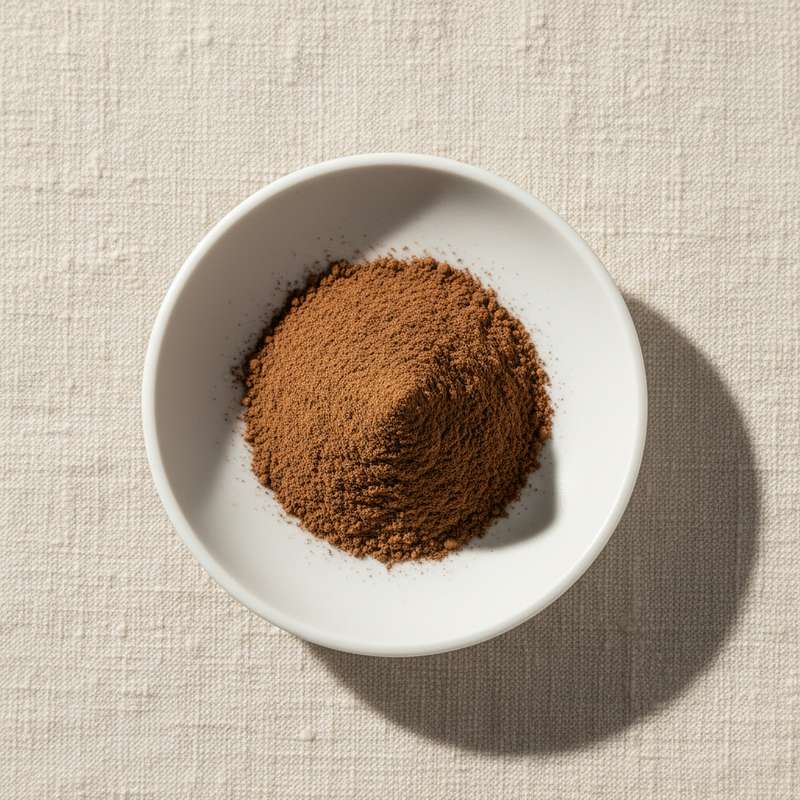
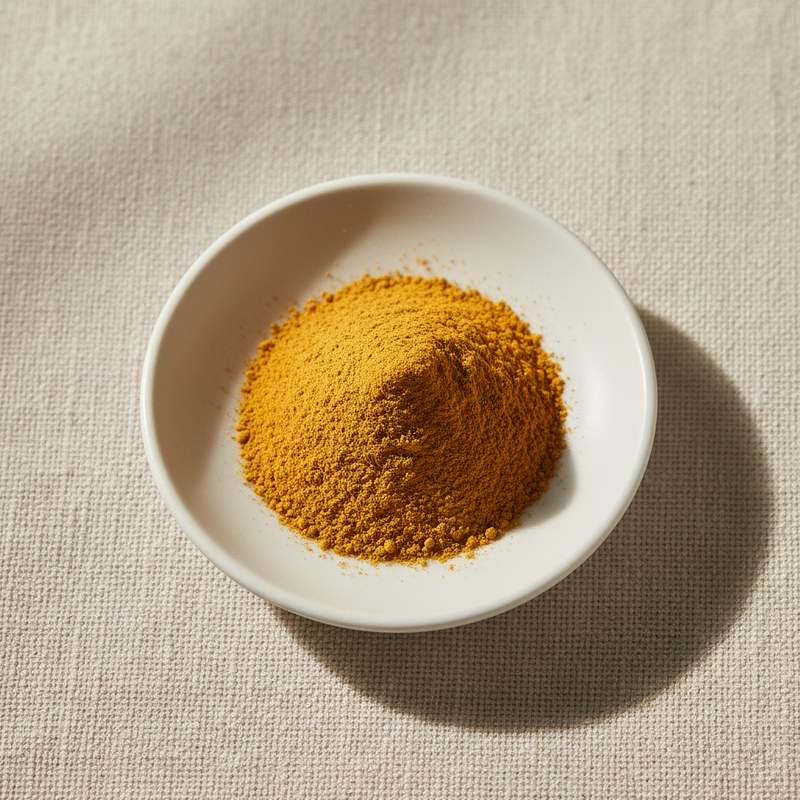
Light to dark brown free-flowing powder. Limited water solubility; freely soluble in alcohol.
We supply food-grade Cat's Claw Extract from manufacturers in China holding ISO, Halal, Kosher and other certifications relevant to the product and production.
Common market grades include 3 percent Alkaloids (the standard supplement grade), 5 percent Alkaloids (premium grade), 10 percent Alkaloids (high-end concentrated grade), and 4:1 to 20:1 herb-to-extract ratios without alkaloid standardization. Pentacyclic-only (POA) standardized grades free of tetracyclic alkaloids are available for premium positioning.
Bulk and reduced-MOQ shipments. Batch-level COA covering total oxindole alkaloids (HPLC), POA-to-TOA ratio, residual solvents, heavy metals, pesticides, and microbiology.
Introduction
Cat's Claw (uña de gato) has been used by indigenous Amazonian peoples for centuries for inflammation, wound healing, and general vitality. Modern pharmacological characterization began in the 1970s with the identification of the oxindole alkaloid fraction.
Industrial production proceeds by hot-water and hydroalcoholic extraction of dried bark, followed by purification and standardization to defined alkaloid content. Quality differentiation between pentacyclic oxindole alkaloid (POA) and tetracyclic oxindole alkaloid (TOA) chemotypes is commercially important; some research suggests TOAs may counteract POA immune effects, supporting premium positioning for POA-only standardized grades.
Recognized as a permitted food ingredient in most jurisdictions; subject to varying regulatory treatment as herbal medicine in some European markets. The European Medicines Agency has issued monographs covering traditional uses.
Clinical evidence supports use in rheumatoid arthritis and osteoarthritis adjunctive treatment, with modest but consistent improvements in joint pain and function. Immune-modulation evidence is more preliminary but supports the immune-support supplement positioning.
Strategic positioning targets immune-support and joint-health dietary supplements globally, with premium pricing for POA-standardized grades.
Where it is used
- Immune-support dietary supplements: the dominant commercial application globally
- Joint-health and inflammation-modulation formulations
- Premium herbal combination supplements positioned for autoimmune support
- Traditional Amazonian and rainforest-medicine product formulations
- Cosmetic skincare: anti-inflammatory and soothing formulations
- Pharmaceutical research applications
- Veterinary applications for joint health in companion animals
Technical data
| Item | Specification |
|---|---|
| Appearance | Light to dark brown free-flowing powder |
| Total oxindole alkaloids (HPLC) | 3% / 5% / 10% (grade dependent) |
| Pentacyclic alkaloid (POA) content | ≥ 90% of total alkaloids (premium grade) |
| Loss on drying | ≤ 5.0% |
| Residue on ignition | ≤ 5.0% |
| Heavy metals (as Pb) | ≤ 2 mg/kg |
| Total plate count | ≤ 1000 cfu/g |
| Source | Uncaria tomentosa inner bark |
Related ingredients
Ready to discuss business?
Send us your spec and requirement. We will respond with availability and pricing within 24 hours.