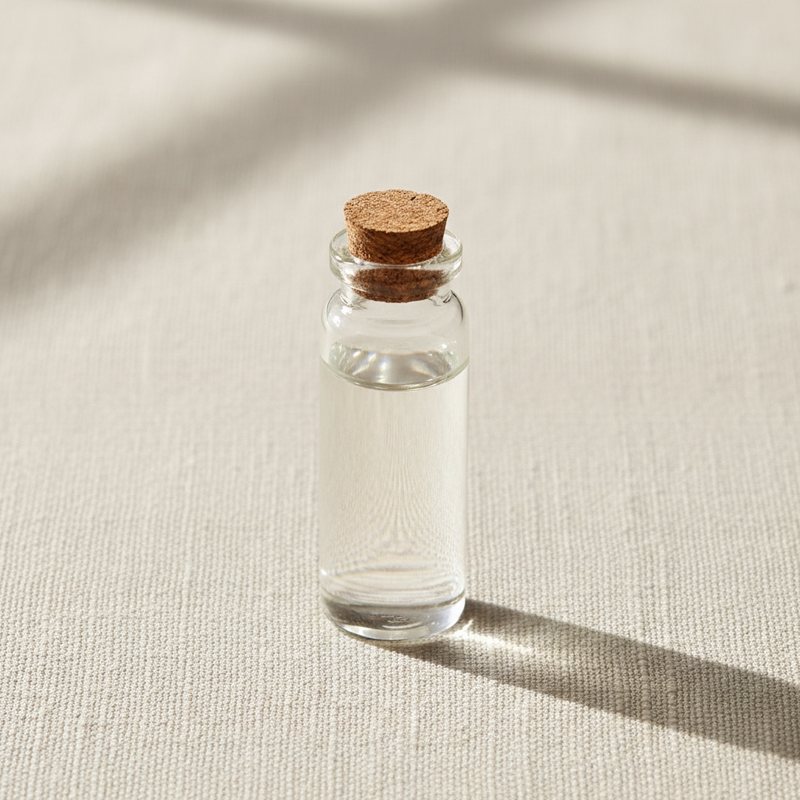
Description
Refined oil from the seeds of Ricinus communis, characterized by its unique fatty-acid composition dominated by ricinoleic acid (85 to 95 percent), an 18-carbon hydroxy fatty acid not found in significant quantities in any other commercial oil.
Pale yellow to nearly colorless clear viscous liquid. Distinctive high viscosity at room temperature, approximately 1000 cP, and high density approaching 0.96 g/mL.
We supply Pharmaceutical-grade Castor Oil and cosmetic-grade Castor Oil from manufacturers in China with cross-border sourcing from India, holding ISO, Halal, Kosher and other certifications relevant to the product and production. India is the dominant global producer.
Common market grades include first-pressed cold-pressed virgin, USP/EP/JP pharmaceutical grade, technical grade for industrial use, and hydrogenated castor oil (12-hydroxystearate) for waxes.
Bulk and reduced-MOQ shipments. Batch-level COA covering acid value, viscosity, hydroxyl value, ricinoleic content, heavy metals, and microbiology.
Introduction
Castor oil is produced from the seeds (botanically more correctly seeds, not beans) of Ricinus communis, a tropical shrub cultivated primarily in India which accounts for over 85 percent of global production. China and Brazil are smaller producers.
The defining feature is ricinoleic acid, a hydroxy fatty acid that confers unique chemical and physical properties: high viscosity, water solubility relative to other oils, and reactivity at the hydroxyl group that supports diverse derivative chemistries. Castor-derived sebacic acid, undecylenic acid, and polyamides form the basis of bio-based polymer industries.
The seeds contain ricin, a highly toxic protein, but the oil itself contains no ricin because ricin partitions into the press cake during cold-pressing and is destroyed by heat in refined grades. Pharmaceutical-grade castor oil is therefore safe for the well-known oral laxative use.
Cosmetic applications, particularly in lip products and mascara, exploit the oil's gloss, viscosity, and skin compatibility. Eyelash-growth claims are largely traditional rather than clinically established.
Where it is used
- Pharmaceutical laxative formulations and bowel preparations
- Cosmetic and personal-care: lip products, mascara, hair-care, and brow products
- Specialty lubricants and aviation lubricants
- Hydraulic fluids and high-pressure systems
- Polyurethane and bio-based polymer feedstock
- Soap manufacturing (provides clear bar character)
- Eyelash and hair-growth cosmetic products
- Industrial coatings and inks
Technical data
| Item | Specification |
|---|---|
| Appearance | Pale yellow to nearly colorless viscous liquid |
| Ricinoleic acid | 85% to 95% |
| Oleic acid (C18:1) | 2% to 6% |
| Linoleic acid (C18:2) | 1% to 5% |
| Acid value | ≤ 2.0 mg KOH/g |
| Hydroxyl value | 160 to 168 |
| Iodine value | 82 to 90 |
| Viscosity (25 °C) | 950 to 1100 mPa-s |
| Heavy metals (as Pb) | ≤ 1 mg/kg |
Related ingredients
Ready to discuss business?
Send us your spec and requirement. We will respond with availability and pricing within 24 hours.