Description
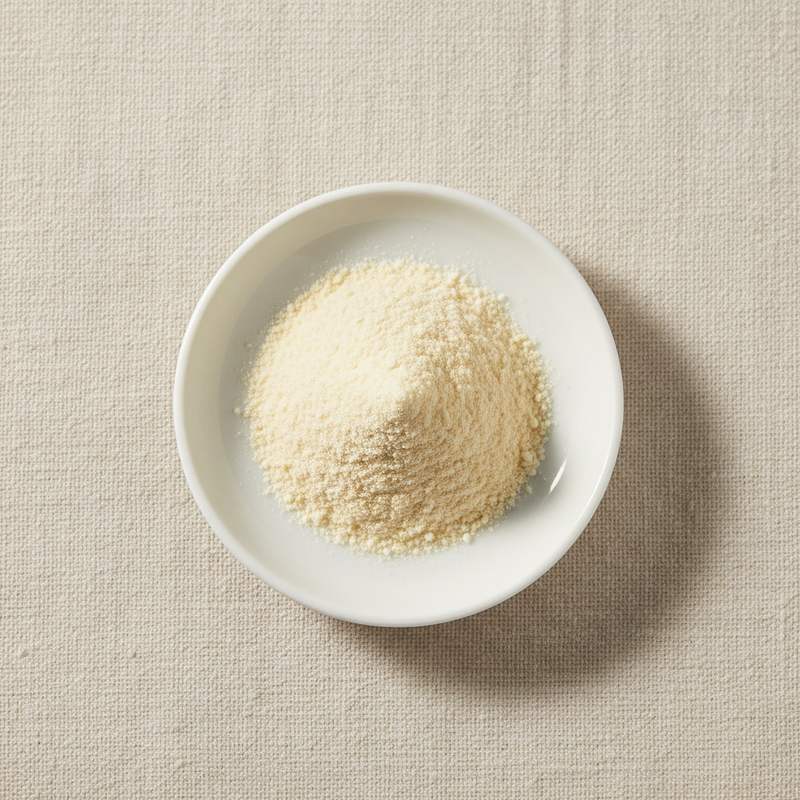
Natural wax extracted from the leaves of the Brazilian carnauba palm (Copernicia prunifera). The hardest of the natural waxes with the highest melting point, supporting unique applications in food glazing, polish, and cosmetic stick formulations.
Yellow to brown wax flake, pellet, or block. Melting range approximately 82 to 86 °C, the highest of the natural waxes commonly used in food and cosmetic manufacture. Hardness and gloss exceed beeswax and other natural waxes.
We supply Carnauba Wax from manufacturers in China and Brazilian importing partners holding ISO, Halal, Kosher and other certifications relevant to the product and production.
Common market grades include Type 1 Yellow (premium first-extraction wax, lightest color and highest purity), Type 3 Light Yellow, and Type 4 Standard. Refined and bleached grades are produced for pharmaceutical and cosmetic use where color neutrality is required.
Bulk and reduced-MOQ shipments. Batch-level COA covering acid value, ester value, saponification value, melting point, and microbiology.
Introduction
Carnauba wax is harvested from the fronds of the carnauba palm, which grows in the semi-arid northeastern Brazilian states of Piaui, Ceara, and Rio Grande do Norte. The wax forms a natural coating on palm leaves to reduce water loss during the dry season.
Production involves harvesting palm fronds during the dry season, drying them in the sun, and mechanically threshing or beating to release the wax flakes. The crude wax is then melted, filtered, and graded by color into Type 1 through Type 4 commercial grades. Bleaching with activated clay or carbon yields the refined grades used in cosmetic and pharmaceutical applications.
Regulated as E903 in the EU, classified as Generally Recognized as Safe by the U.S. FDA, listed in USP, NF, EP, JP, and BP pharmacopoeias, and approved by JECFA with an Acceptable Daily Intake of 0 to 7 mg per kg body weight.
Carnauba wax holds an established position in confectionery glazing, pharmaceutical coating, and cosmetic stick formulation because no other natural wax matches its combination of hardness, gloss, and melting point. Brazil remains the dominant global producer.
Where it is used
- Confectionery glazing for panned candies, gum, and chocolate; the standard food-glazing wax globally
- Pharmaceutical tablet coating and gloss enhancement
- Cosmetic lipsticks, mascaras, and solid stick formulations; provides hardness and gloss
- Food-grade fruit and vegetable coatings; extends shelf life and gloss
- Automobile and furniture polishes; the original premium polish wax
- Pet food and treat coatings; appearance and shelf-life enhancement
- Industrial release agents requiring high melting point
- Carbon paper and ink ribbon manufacture (legacy applications)
Technical data
| Item | Specification |
|---|---|
| Appearance | Yellow to brown wax flake, pellet, or block |
| Acid value (mg KOH/g) | 2 to 10 |
| Ester value (mg KOH/g) | 72 to 88 |
| Saponification value (mg KOH/g) | 78 to 95 |
| Melting range | 82 °C to 86 °C |
| Refractive index (90 °C) | 1.4490 to 1.4520 |
| Iodine value | 5 to 14 |
| Heavy metals (as Pb) | ≤ 5 mg/kg |
| Arsenic | ≤ 3 mg/kg |
Related ingredients
Ready to discuss business?
Send us your spec and requirement. We will respond with availability and pricing within 24 hours.