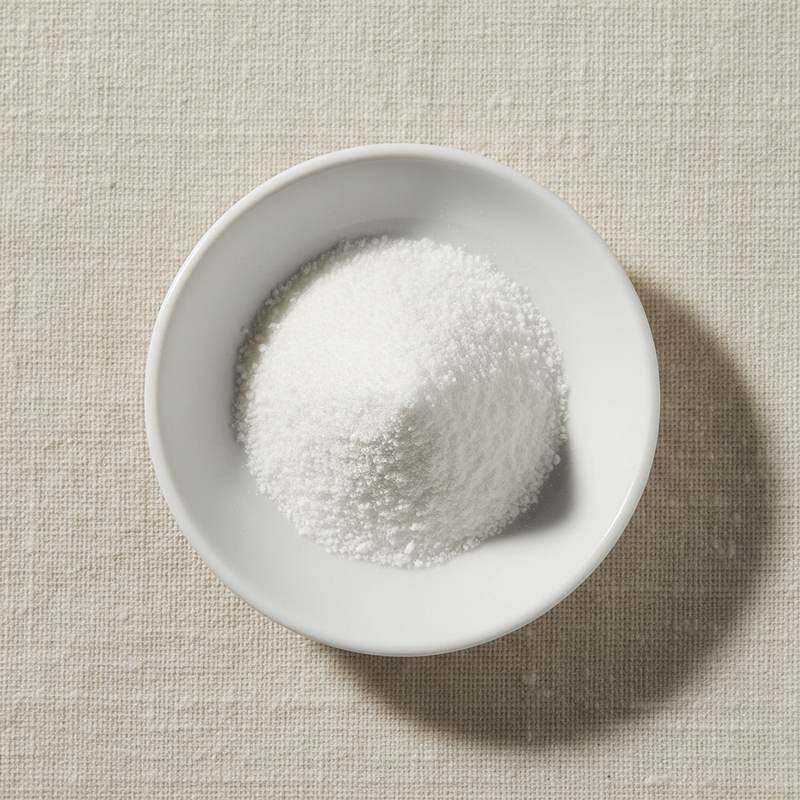
Description
Purified capsaicin (8-methyl-N-vanillyl-6-nonenamide), the principal pungent capsaicinoid of Capsicum species. Distinct from the lower-purity oleoresin product (catalog id 8746), this grade delivers the isolated active for pharmaceutical-grade topical analgesics, premium thermogenic supplements, and analytical reference applications.
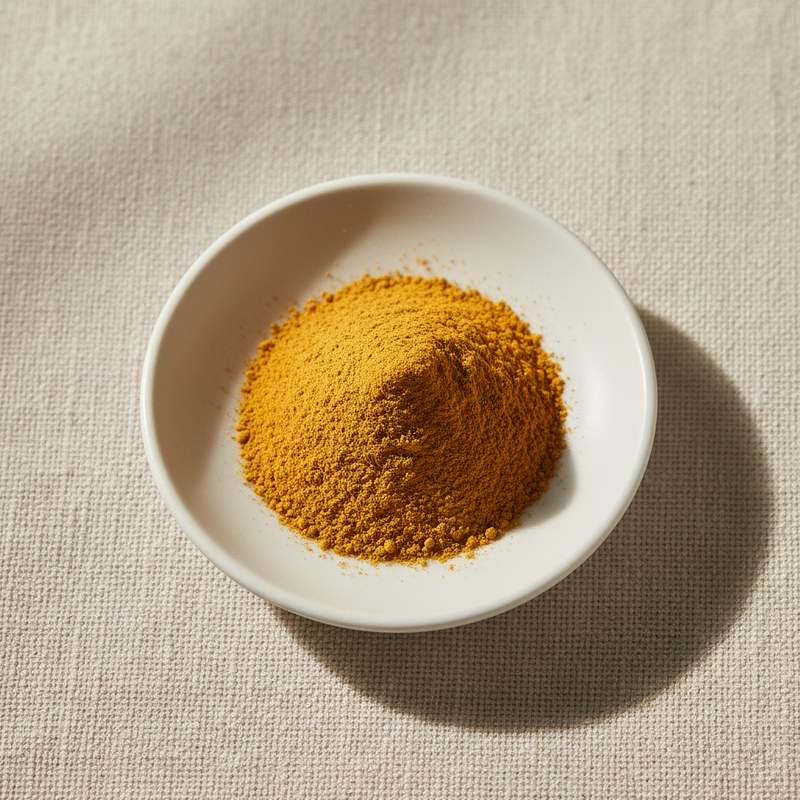
White to off-white crystalline powder. Practically insoluble in water; freely soluble in ethanol, ether, and lipid carriers.
We supply food-grade Capsaicin Extract from manufacturers in China holding ISO, Halal, Kosher and other certifications relevant to the product and production.
Common market grades include 95 percent Capsaicin (standard purified grade), 98 percent Capsaicin (the supplement and topical workhorse), 99 percent Capsaicin (pharmaceutical-grade), and Natural Capsaicin (extracted, not synthetic). Synthetic capsaicin is also commercially available where source neutrality is acceptable.
Bulk and reduced-MOQ shipments. Batch-level COA covering capsaicin content (HPLC), dihydrocapsaicin and minor capsaicinoid profile, residual solvents, heavy metals, and microbiology.
Introduction
Capsaicin was isolated by Christian Friedrich Bucholz in 1816 and structurally characterized by E. K. Nelson in 1919. The compound is a vanilloid alkaloid that selectively activates the TRPV1 ion channel on sensory neurons, producing the burning sensation associated with chili peppers and, on repeated exposure, the analgesic effect of desensitization.
Industrial production proceeds by solvent extraction of dried chili peppers followed by chromatographic purification to isolate capsaicin from the related minor capsaicinoids. Synthetic capsaicin is also produced by amidation of vanillylamine with the appropriate acyl chloride.
Capsaicin is a regulated active ingredient in OTC topical analgesics in the U.S., EU, and most major pharmaceutical markets. Standardized capsaicin patches at 8 percent are FDA-approved as a prescription treatment for postherpetic neuralgia.
Clinical evidence for topical analgesic activity in musculoskeletal pain and neuropathic pain is among the strongest for any natural-product-derived active. Thermogenic and appetite-suppressing effects from oral capsaicin are documented at appropriate doses.
Strategic positioning targets the pharmaceutical topical analgesic channel and premium thermogenic supplement applications where pure active content commands substantial premium over commodity oleoresin grades.
Where it is used
- Topical pain-relief creams, gels, and patches (the dominant pharmaceutical-channel application)
- FDA-approved over-the-counter topical analgesics for arthritis and neuropathic pain
- Premium thermogenic weight-management dietary supplements
- Pharmaceutical reference standard applications
- Self-defense product manufacturing (high-concentration formulations)
- Veterinary topical analgesic formulations
- Cosmetic skincare: slimming and warming formulations
- Sports nutrition: pre-workout thermogenic ingredients
Technical data
| Item | Specification |
|---|---|
| Appearance | White to off-white crystalline powder |
| Capsaicin content (HPLC) | ≥ 95% / 98% / 99% (grade dependent) |
| Dihydrocapsaicin | ≤ 5% |
| Melting point | 62 to 65 deg C |
| Loss on drying | ≤ 1.0% |
| Heavy metals (as Pb) | ≤ 2 mg/kg |
| Residual solvents | Within ICH Q3C limits |
| Source | Capsicum annuum extracted or synthetic |
Related ingredients
Ready to discuss business?
Send us your spec and requirement. We will respond with availability and pricing within 24 hours.