Description
The standardized extract of horse chestnut seeds (Aesculus hippocastanum), characterized by triterpene saponin content expressed as aescin (also spelled escin). The dominant venous-health botanical supplement ingredient in European and global markets.
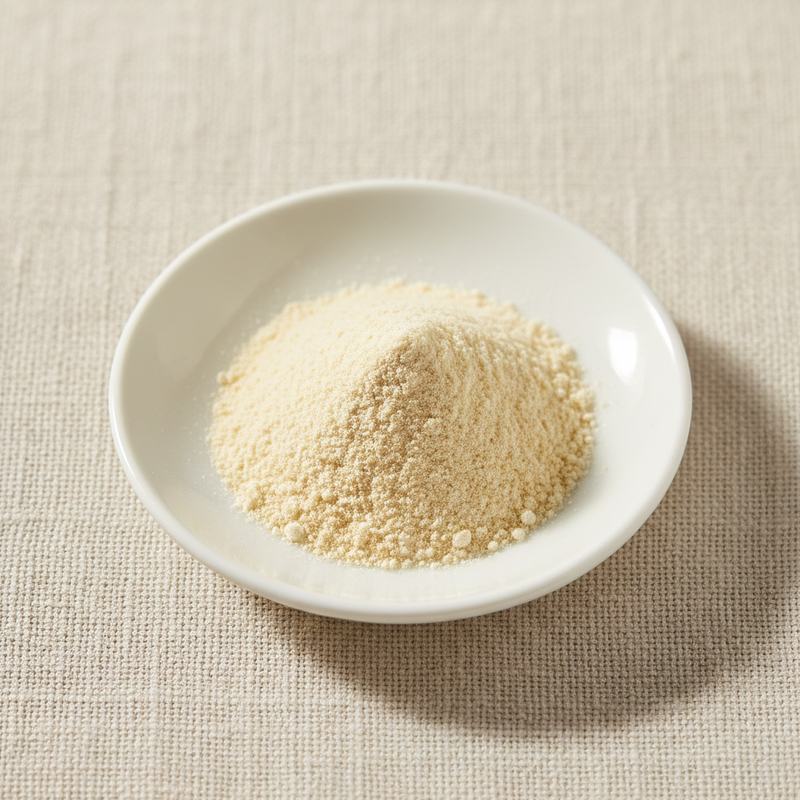
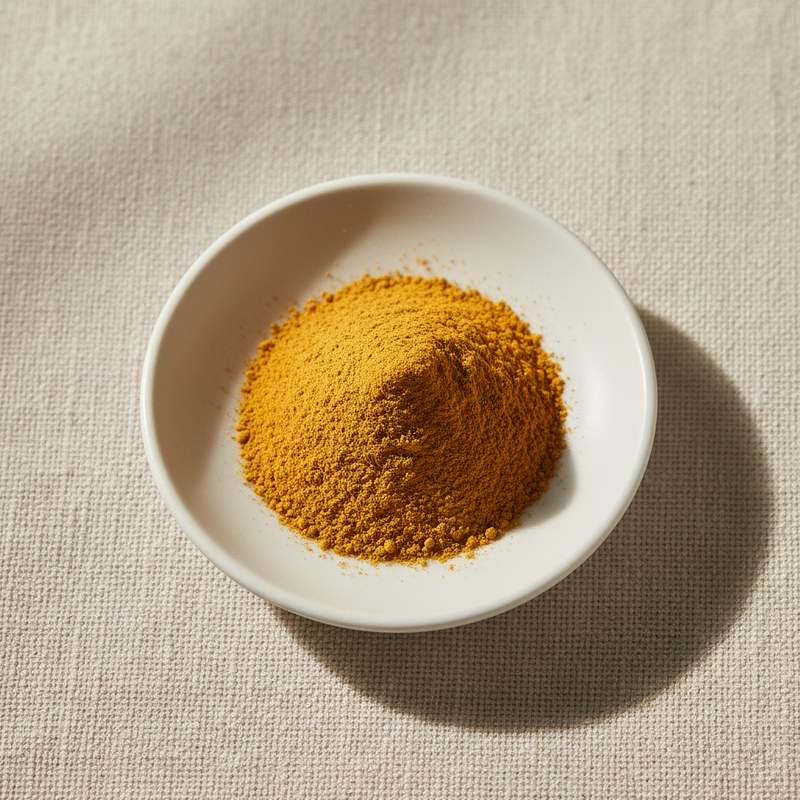
Light yellow to pale brown free-flowing powder. Limited water solubility; freely soluble in hydroalcoholic mixtures.
We supply food-grade Buckeye Extract from manufacturers in China holding ISO, Halal, Kosher and other certifications relevant to the product and production.
Common market grades include 20 percent Aescin (cost-effective baseline), 40 percent Aescin (standard supplement grade), 50 percent Aescin (premium grade meeting EP specifications), 75 percent Aescin (high-end concentrated grade), and 98 percent Aescin (pharmaceutical-grade isolated active for topical formulations).
Bulk and reduced-MOQ shipments. Batch-level COA covering aescin content (HPLC), aesculin content (the toxic coumarin that must be controlled to safe levels), residual solvents, heavy metals, pesticides, and microbiology.
Introduction
Horse chestnut has been used in European folk medicine for venous and hemorrhoidal complaints since at least the 18th century. Modern pharmacological characterization of aescin began in the 1960s, and standardized horse chestnut seed extract is now among the most-prescribed natural venous-health products in Germany and other European markets.
Industrial production proceeds by ethanol or hydroalcoholic extraction of dried horse chestnut seeds, followed by purification and standardization to defined aescin content. Aesculin, a toxic coumarin found in the raw seed, must be removed during processing.
Listed in EP and several national pharmacopoeias as a pharmaceutical product. Recognized as a permitted food ingredient by the European Food Safety Authority. The compound is sold as a dietary supplement in the U.S. and most non-EU markets.
The Cochrane Collaboration meta-analysis of horse chestnut seed extract found consistent benefit for chronic venous insufficiency symptoms versus placebo, placing it among the better-supported herbal medicines for vascular conditions.
Strategic positioning is dominated by venous-health products in Europe and growing global markets for circulation-support supplements and topical leg-care cosmetics.
Where it is used
- Venous-health dietary supplements: chronic venous insufficiency and varicose-vein support (the dominant commercial application in Europe)
- Hemorrhoid-support formulations
- Topical creams and gels for tired or swollen legs (the dominant cosmetic application)
- Sports nutrition: post-exertion leg-recovery formulations
- Pharmaceutical applications: aescin is a recognized phytopharmaceutical in Germany and several EU markets
- Anti-cellulite and slimming cosmetic actives
- Veterinary applications for circulatory and joint support
Technical data
| Item | Specification |
|---|---|
| Appearance | Light yellow to pale brown free-flowing powder |
| Aescin content (HPLC) | 20% / 40% / 50% / 75% / 98% (grade dependent) |
| Aesculin content | ≤ 0.2% |
| Loss on drying | ≤ 5.0% |
| Residue on ignition | ≤ 5.0% |
| Heavy metals (as Pb) | ≤ 2 mg/kg |
| Total plate count | ≤ 1000 cfu/g |
| Source | Aesculus hippocastanum dried seeds |
Related ingredients
Ready to discuss business?
Send us your spec and requirement. We will respond with availability and pricing within 24 hours.