Description
A standardized extract from Broccoli (Brassica oleracea) seeds and sprouts, principally standardized to glucoraphanin content (the stable precursor) and in some grades to active sulforaphane. The compound class is among the leading natural NRF2-pathway activators with documented detoxification-pathway induction and cellular-protection activities.
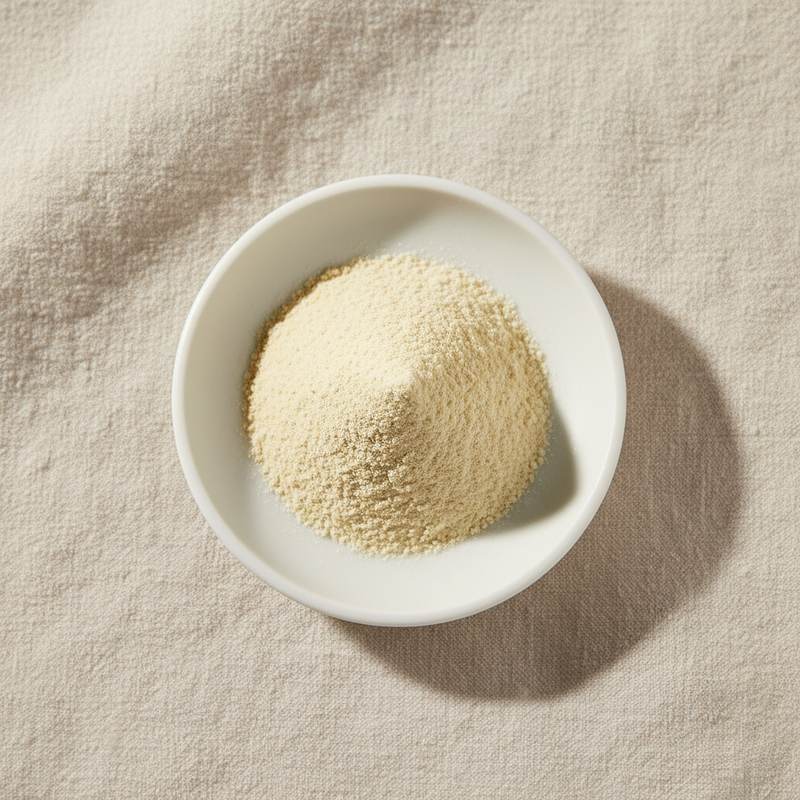
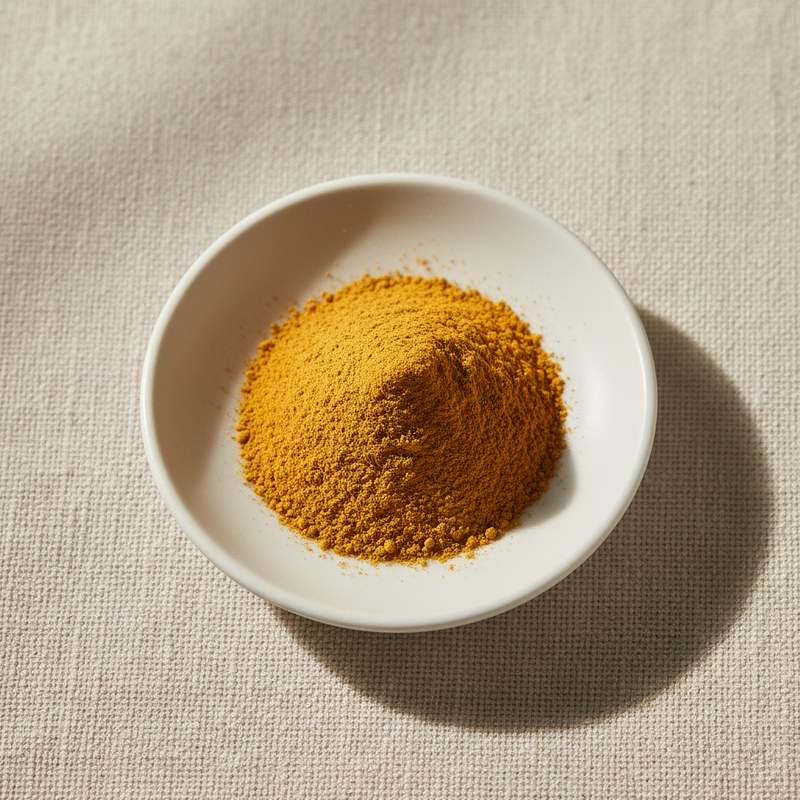
Off-white to pale yellow-green free-flowing powder. Highly water-soluble for glucoraphanin grades; sulforaphane-active grades require careful stability management.
We supply food-grade Broccoli Seed Extract from manufacturers in China holding ISO, Halal, Kosher and other certifications relevant to the product and production.
Common market grades include 0.1 to 1 percent Sulforaphane (sulforaphane-active grades), 4 percent Glucoraphanin (cost-effective baseline), 10 percent Glucoraphanin (standard supplement grade), 13 percent Glucoraphanin (premium grade matching BroccoMax specifications), and 40 percent Glucoraphanin (high-end concentrated grade). Active-enzyme (myrosinase) stabilized formulations are available for sulforaphane conversion in vivo.
Bulk and reduced-MOQ shipments. Batch-level COA covering glucoraphanin content (HPLC), sulforaphane content where applicable, myrosinase activity where applicable, residual solvents, heavy metals, pesticides, and microbiology.
Introduction
Broccoli Seed Extract emerged commercially in the late 1990s following research by Paul Talalay at Johns Hopkins University that identified sulforaphane as the principal chemoprotective compound in broccoli. The compound is generated in vivo through myrosinase-catalyzed hydrolysis of the stable precursor glucoraphanin upon plant tissue damage (chewing) or gut-microbiome metabolism.
Industrial production proceeds by aqueous or hydroalcoholic extraction of Broccoli seeds (the highest glucoraphanin source compared with mature broccoli) or sprouts, followed by purification and standardization. Active-sulforaphane grades require controlled enzymatic conversion and stabilization processes.
Recognized as a permitted food ingredient by the U.S. FDA, the European Food Safety Authority, and equivalent regulators worldwide.
Sulforaphane is among the most-studied NRF2-pathway activators, with documented induction of phase II detoxification enzymes (glutathione-S-transferase, NAD(P)H quinone oxidoreductase, others) and corresponding cellular-protection effects in cell culture, animal, and emerging human clinical research. The compound is the subject of ongoing oncology clinical research particularly for prevention and adjunctive applications.
Strategic positioning targets premium detoxification, anti-aging, and longevity dietary supplements globally, with strong scientific positioning supporting premium pricing over generic antioxidant supplements.
Where it is used
- Detoxification-support dietary supplements: phase II liver-enzyme induction and cellular-protection positioning
- Anti-aging and longevity dietary supplements: NRF2-pathway activation positioning
- Premium antioxidant supplement formulations
- Functional beverages: detox shots and wellness drinks
- Pharmaceutical research applications including oncology research
- Cosmetic skincare: anti-aging and skin-protection formulations
- Sports nutrition: recovery and anti-inflammatory positioned products
- Premium superfood-positioned food fortification
Technical data
| Item | Specification |
|---|---|
| Appearance | Off-white to pale yellow-green free-flowing powder |
| Glucoraphanin content (HPLC) | 4% / 10% / 13% / 40% (grade dependent) |
| Sulforaphane content | 0.1% to 1% (sulforaphane-active grades) |
| Myrosinase activity | retained in enzyme-active grades |
| Loss on drying | ≤ 5.0% |
| Heavy metals (as Pb) | ≤ 2 mg/kg |
| Total plate count | ≤ 1000 cfu/g |
| Source | Brassica oleracea seeds or sprouts |
Related ingredients
Ready to discuss business?
Send us your spec and requirement. We will respond with availability and pricing within 24 hours.