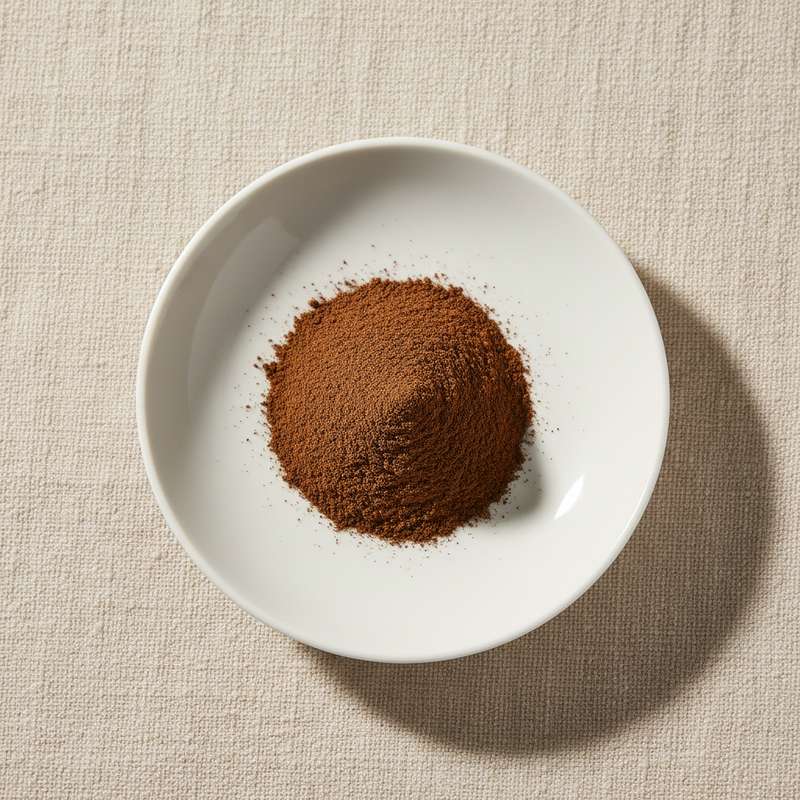
Description
A polyphenolic extract from fully fermented black tea (Camellia sinensis), standardized to theaflavin content. Distinct from green tea catechin extracts; theaflavins form during black tea fermentation by enzymatic oxidative coupling of paired green tea catechins and are absent in unfermented green tea.
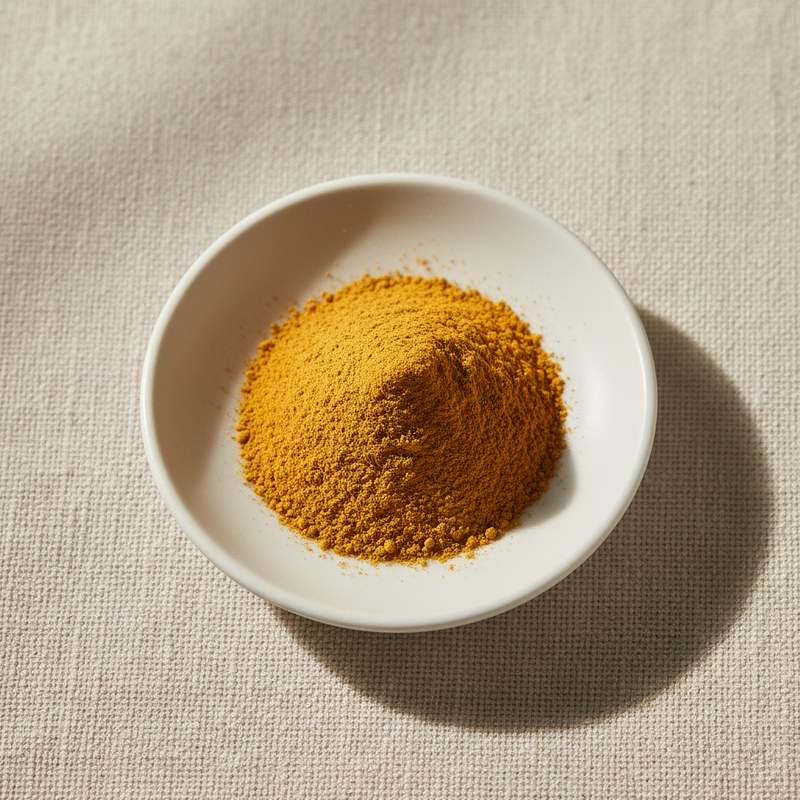
Reddish-brown to dark brown free-flowing powder. The compound class includes theaflavin, theaflavin-3-gallate, theaflavin-3'-gallate, and theaflavin-3,3'-digallate.
We supply food-grade Black Tea Theaflavins Extract from manufacturers in China holding ISO, Halal, Kosher and other certifications relevant to the product and production.
Common market grades include Theaflavins 20 percent (the supplement workhorse), 40 percent Theaflavins (premium grade), 60 percent Theaflavins (high-end grade), and 80 percent Theaflavins (pharmaceutical-precursor grade).
Bulk and reduced-MOQ shipments. Batch-level COA covering total theaflavins content (HPLC), individual theaflavin profile, residual caffeine, residual solvents, heavy metals, and microbiology.
Introduction
Theaflavins are oxidized polyphenol dimers formed during black tea fermentation by polyphenol oxidase coupling of paired green tea catechins (catechin plus epigallocatechin, or their gallate esters). The four principal theaflavins together account for 3 to 6 percent of dry weight of high-quality black tea, alongside more complex polymeric thearubigins.
Industrial production proceeds by hot-water extraction of black tea leaves followed by chromatographic enrichment of the theaflavin fraction. Yields are inherently lower than for green tea catechin extracts, supporting premium pricing.
Recognized as a permitted food ingredient in most jurisdictions. Clinical evidence base focuses on cholesterol-lowering activity, with several randomized controlled trials supporting moderate efficacy on LDL cholesterol at doses of 75 to 300 mg theaflavins per day.
Strategic positioning targets premium cardiovascular supplements differentiated from the green tea catechin category, where theaflavin-specific marketing supports higher pricing.
Where it is used
- Cardiovascular and cholesterol-management dietary supplements (the principal clinical evidence base)
- Anti-aging and antioxidant supplements differentiated from green tea catechin products
- Premium tea-extract supplement positioning
- Functional beverages: black tea-based wellness drinks
- Cosmetic skincare: antioxidant and anti-aging formulations
- Natural food and oil antioxidant applications
- Premium milk-tea and ready-to-drink black tea fortification
Technical data
| Item | Specification |
|---|---|
| Appearance | Reddish-brown to dark brown free-flowing powder |
| Total Theaflavins (HPLC) | 20% / 40% / 60% / 80% (grade dependent) |
| Caffeine content | ≤ 5% (low-caffeine grades) |
| Loss on drying | ≤ 5.0% |
| Heavy metals (as Pb) | ≤ 2 mg/kg |
| Total plate count | ≤ 1000 cfu/g |
| Source | Camellia sinensis fermented black tea leaf |
Related ingredients
Ready to discuss business?
Send us your spec and requirement. We will respond with availability and pricing within 24 hours.