Description
Bifidobacterium adolescentis is a dominant native Bifidobacterium species in the adult human colon, with prevalence shifting from infant-type Bifidobacterium during weaning. The species is recognized for the production of gamma-aminobutyric acid (GABA) and short-chain fatty acid metabolites.
Supplied as a freeze-dried powder with viability between 50 and 300 billion CFU per gram at release. Moderately oxygen-sensitive and requires careful processing to maintain viability.
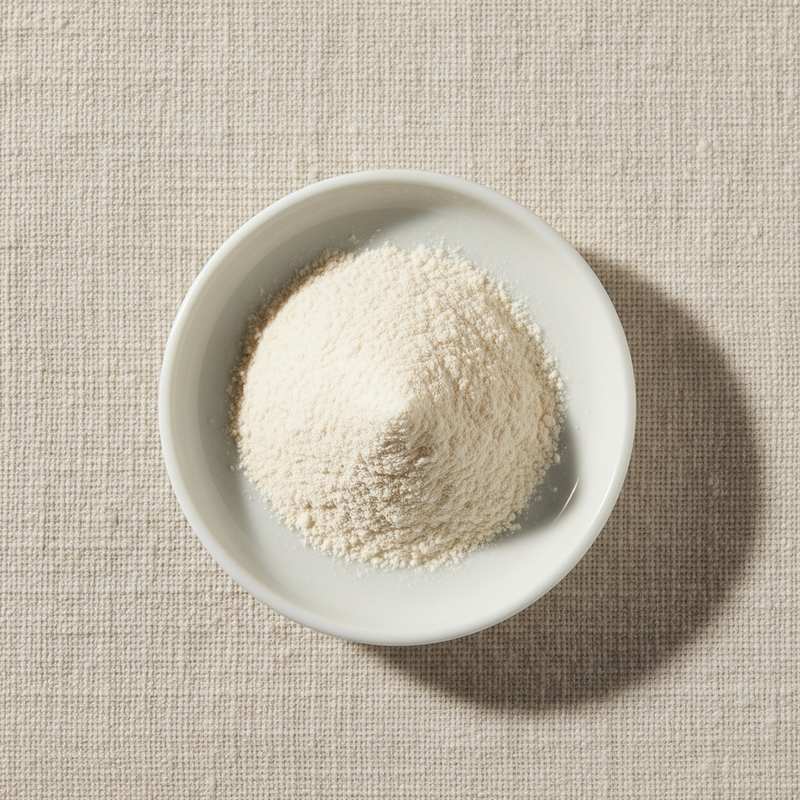
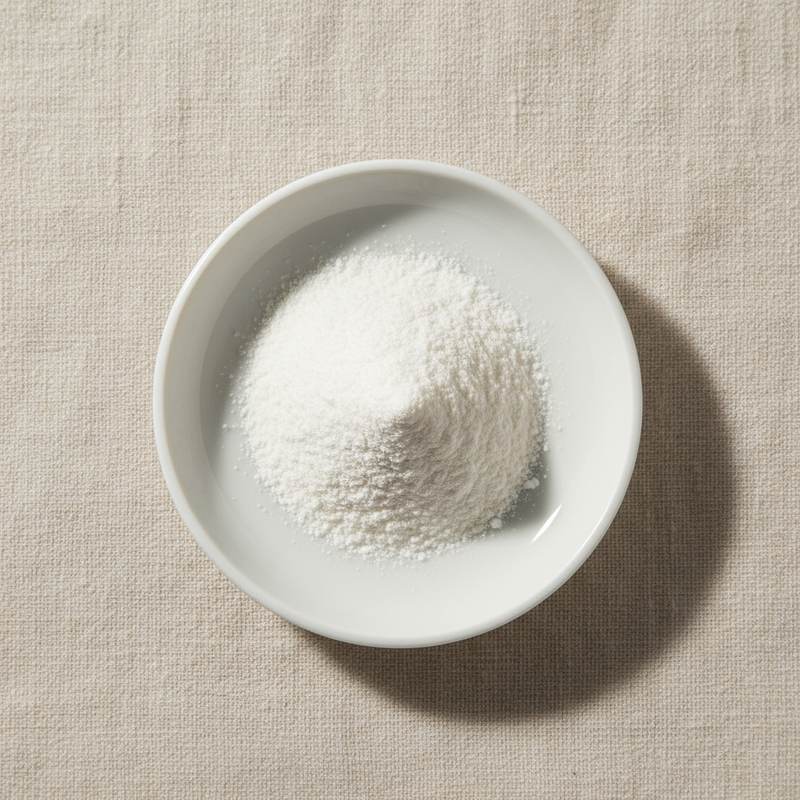
Off-white to pale beige free-flowing powder with a faintly fermented note. Particle size suitable for capsule, sachet, and fermented beverage applications.
We supply food-grade Bifidobacterium adolescentis from manufacturers in China holding ISO 22000, FSSC 22000, Halal, Kosher, and other certifications relevant to probiotic strain production.
Common market grades include 50, 100, and 300 billion CFU per gram freeze-dried powders, microencapsulated grades for acid protection, and high-GABA-producing commercial variants for gut-brain positioning. Bulk and reduced-MOQ shipments with batch-level COA covering viable count, strain identity, moisture, heavy metals, and pathogen panel.
Introduction
Bifidobacterium adolescentis was originally isolated from adult human feces by Reuter in 1963 and named for its association with the adult-type Bifidobacterium population that emerges during weaning and adolescence. Reference strains include ATCC 15703 and several commercial GABA-producing variants developed in Japan and Korea.
Industrial production uses anaerobic batch fermentation in cysteine-supplemented semi-defined media, biomass recovery under nitrogen, cryoprotectant blending, and lyophilization to residual moisture below 4 percent. GABA-producing variants are selected for elevated glutamate decarboxylase activity and standardized by HPLC quantification of GABA in spent culture supernatant.
Regulatory status includes Qualified Presumption of Safety listing in the European Union, GRAS notifications with FDA for specific strains, and acceptance under functional food frameworks in Japan and Korea.
Clinical evidence supports use in adult gut microbiome modulation, mood and stress response (through GABA-producing strains), and modulation of short-chain fatty acid production through cross-feeding with other intestinal bacteria.
Where it is used
- Adult capsules and tablets for gut microbiome support
- Gut-brain axis and stress-response formulations (GABA producers)
- Senior nutrition and gut barrier products
- Functional yogurt and fermented dairy
- Postbiotic and short-chain fatty acid positioning
- Multi-strain adult probiotic stacks
- Synbiotic formulations with inulin and arabinoxylan
- Immune support and seasonal wellness supplements
- Cardiometabolic and inflammation-targeted formulations
Technical data
| Item | Specification |
|---|---|
| Appearance | Off-white to pale beige free-flowing powder |
| Viable cell count | ≥ 100 billion CFU/g (50B, 100B, 300B grades) |
| Strain identity | Confirmed by 16S rRNA sequencing and species-specific PCR |
| Moisture (loss on drying) | ≤ 4.0% |
| Particle size | ≥ 95% through 80 mesh |
| Heavy metals (as Pb) | ≤ 1 mg/kg |
| Arsenic | ≤ 0.5 mg/kg |
| Salmonella | Absent in 25 g |
| E. coli | Absent in 10 g |
| Staphylococcus aureus | Absent in 10 g |
| Yeast and mold | ≤ 50 CFU/g |
| Shelf life | 18 to 24 months from manufacture under recommended storage |
| Storage | −18 °C sealed; 2 to 8 °C after opening |
Related ingredients
Ready to discuss business?
Send us your spec and requirement. We will respond with availability and pricing within 24 hours.