Description
A low-molecular-weight peptide hydrolysate produced by enzymatic digestion of Antarctic krill (Euphausia superba) protein, separated from the oil and chitin fractions of the same biomass. A distinct ingredient from krill oil, suitable for water-based applications where the lipid fraction would be unsuitable.
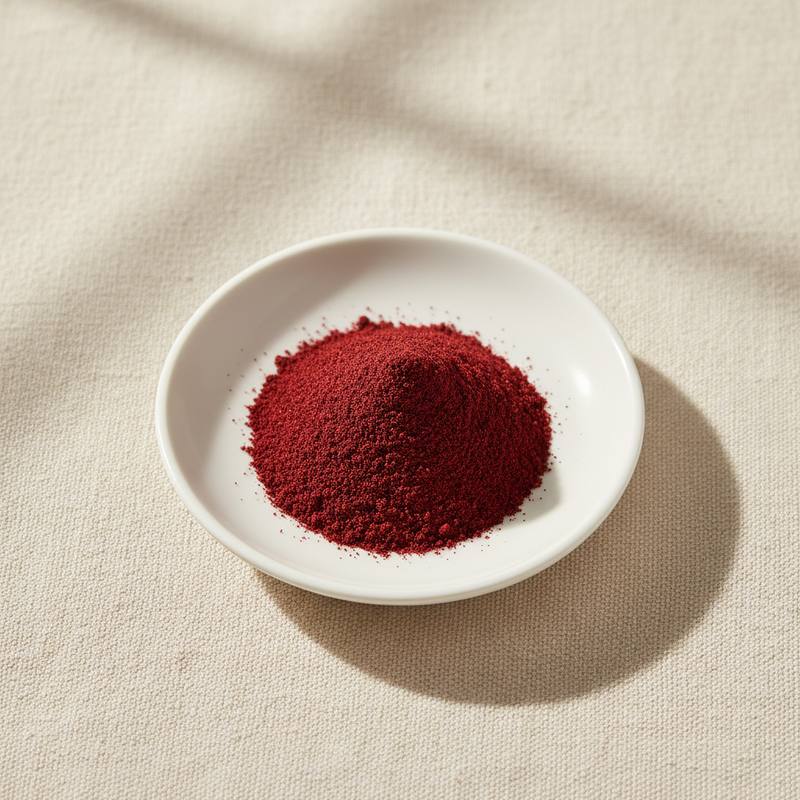
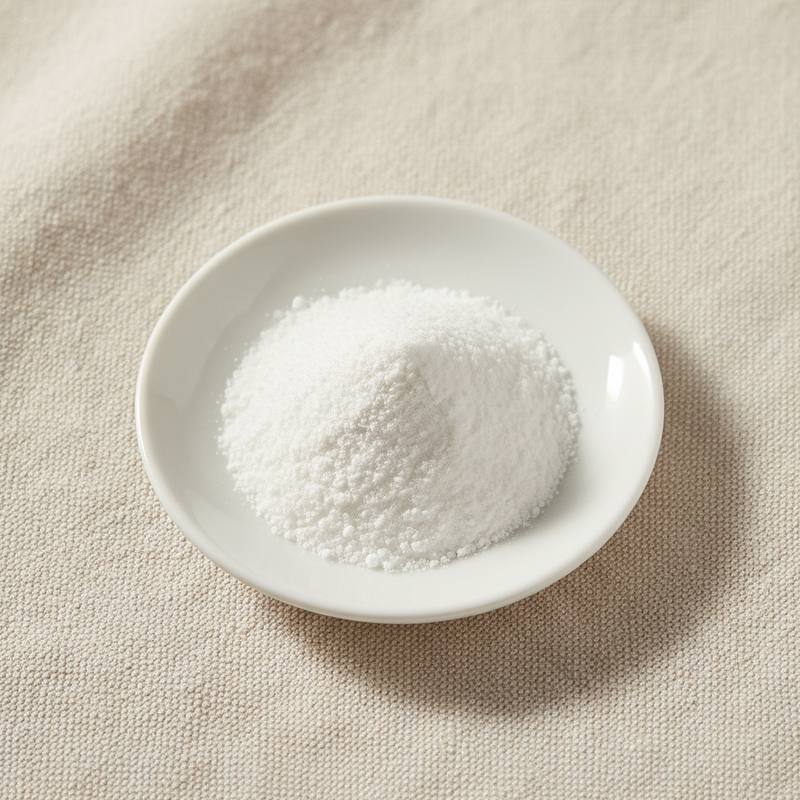
Light yellow to brownish powder with a mild characteristic marine odour. Highly water-soluble. Average molecular weight typically below 1,000 Daltons, with the majority of peptides in the 200 to 500 Dalton range that supports rapid absorption.
We supply food-grade Antarctic Krill Peptide from manufacturers in China holding ISO, Halal, Kosher and other certifications relevant to the product and production. Origin documentation includes catch certificate from MSC-certified Antarctic fisheries on request.
Common market grades include 80 percent and 90 percent protein content, with controlled molecular-weight distribution per customer specification. Deodorised, decolorised, and standardised peptide-fragment grades are available for premium beverage and tabletop supplement use.
Bulk and reduced-MOQ shipments. Batch-level COA covering protein content, molecular-weight distribution, amino acid profile, fluoride content (krill-specific), heavy metals including arsenic and mercury, and microbiology.
Introduction
Antarctic krill (Euphausia superba) is one of the most abundant animal species on the planet by biomass, with the fishery operating under strict catch limits set by the Commission for the Conservation of Antarctic Marine Living Resources (CCAMLR). Sustainable harvest is a defining commercial property of the ingredient.
The peptide fraction is recovered as a co-product of krill-oil manufacturing: the whole krill is processed shortly after harvest to recover oil (rich in phospholipid-bound EPA and DHA and astaxanthin), with the residual protein fraction enzymatically hydrolysed to deliver short-chain peptides of defined molecular-weight distribution.
Recognised as a permitted food ingredient by EFSA and approved as a Novel Food in the EU. Approved as a Health Food monograph ingredient in China. The U.S. FDA regulates krill-derived ingredients as dietary supplement ingredients under DSHEA.
The peptide profile is rich in branched-chain amino acids, glycine, proline, and hydroxyproline, which supports both general protein nutrition and the joint-health and connective-tissue applications. Specific peptide fragments isolated from krill protein show ACE-inhibitory and antioxidant activity in vitro.
Fluoride content is the species-specific specification driver: krill exoskeleton is naturally rich in fluoride, and high-quality manufacturers control deshelling and washing to keep finished-product fluoride below the relevant national supplement limits.
Where it is used
- Functional and sports nutrition beverages requiring water-soluble marine protein
- Joint-health and cartilage-support supplements; rich in proline, glycine, and hydroxyproline
- Antihypertensive and cardiovascular-positioning supplements through ACE-inhibitory peptide fragments
- Anti-fatigue and energy-recovery formulations
- Premium nutritional shakes and meal-replacement products
- Antioxidant and skin-health supplements
- Clinical nutrition for elderly and recovery patients
- Pet nutrition palatants and functional treats
Technical data
| Item | Specification |
|---|---|
| Appearance | Light yellow to brownish powder |
| Protein content (dry basis) | ≥ 85.0% |
| Average molecular weight | ≤ 1,000 Da |
| Molecular weight ≤ 1,000 Da fraction | ≥ 80% |
| Moisture | ≤ 7.0% |
| Ash | ≤ 6.0% |
| Fluoride | ≤ 100 mg/kg |
| Heavy metals (as Pb) | ≤ 0.5 mg/kg |
| Arsenic, mercury, cadmium | Meets EU 1881/2006 limits |
| Microbiology | Total plate count ≤ 30,000 CFU/g; absence of Salmonella and E. coli |
Related ingredients
Ready to discuss business?
Send us your spec and requirement. We will respond with availability and pricing within 24 hours.