Description
A standardized extract from Aloe vera (Aloe barbadensis Miller) inner-leaf gel or whole leaf, supplied either as inner-leaf polysaccharide grade (for skincare and oral supplements) or as aloin-containing whole-leaf grade (for laxative pharmaceutical applications). The two grades have distinct compositions and applications.
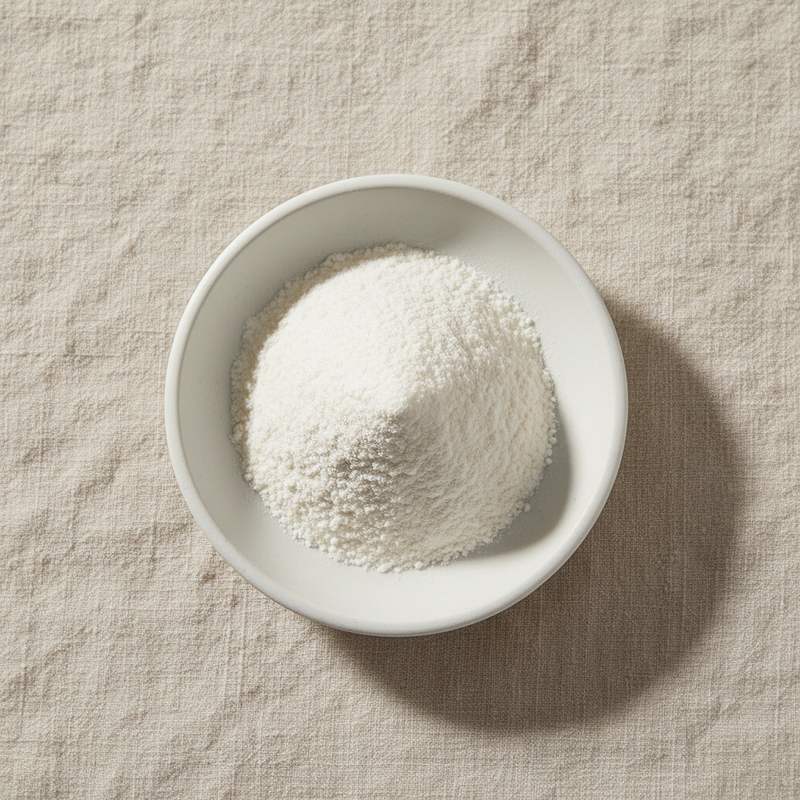
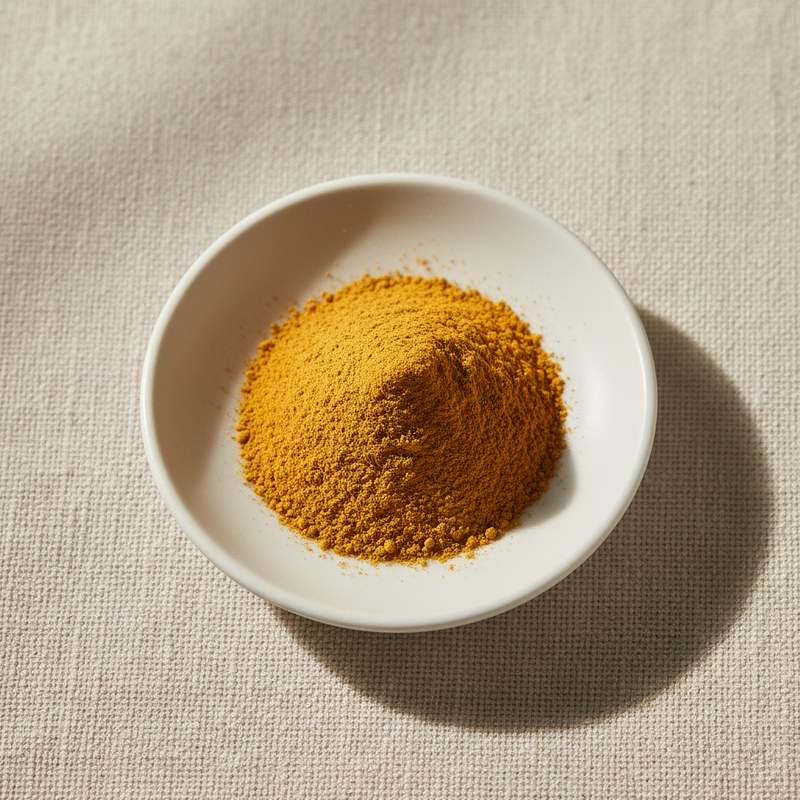
Off-white to yellow-brown free-flowing powder depending on grade. Highly water-soluble (inner-leaf grade) or partially water-soluble (whole-leaf grade containing anthraquinones).
We supply food-grade Aloe Vera Extract from manufacturers in China holding ISO, Halal, Kosher, and the IASC certification (International Aloe Science Council) for premium grades.
Common market grades include Inner Leaf 100:1 Powder (decolorized, low-anthraquinone, skincare and supplement grade), Inner Leaf 200:1 Powder (premium concentrated grade), Aloe Vera Gel Freeze-Dried Powder (premium beverage and topical grade), Polysaccharide-Standardized Grade (10 percent or 20 percent acemannan), and Whole Leaf Aloin Extract (the pharmaceutical laxative grade with declared aloin content).
Bulk and reduced-MOQ shipments. Batch-level COA covering polysaccharide content (or aloin content for laxative grades), residual solvents, heavy metals, pesticides, and microbiology.
Introduction
Aloe vera has been used in cosmetics and traditional medicine for over 4,000 years across Egyptian, Greek, Roman, and Chinese cultures. The plant produces a clear inner-leaf gel rich in polysaccharides (principally acemannan) and a yellow latex layer between the rind and inner gel containing anthraquinone glycosides (principally aloin) with potent laxative activity.
Industrial production for inner-leaf grades proceeds by mechanical separation of inner-leaf gel from rind, enzymatic processing to stabilize polysaccharides, decolorization to remove residual aloin, and spray-drying. Whole-leaf laxative grades use the entire leaf and preserve the aloin content for pharmaceutical applications.
Regulatory status varies sharply between grade types. Inner-leaf low-anthraquinone grades are recognized as Generally Recognized as Safe by the U.S. FDA and are widely used in food, beverage, supplement, and cosmetic applications. Whole-leaf aloin-containing grades are restricted for oral use in the EU (2021 prohibition) due to genotoxicity concerns and are regulated as pharmaceuticals in most jurisdictions.
Strategic positioning splits between cosmetic and topical applications (the dominant volume), functional beverages and supplements (using inner-leaf grade), and pharmaceutical laxative products (using whole-leaf aloin grade where permitted).
Where it is used
- Cosmetic skincare: aloe gel, lotions, creams, and after-sun products (the dominant volume application)
- Functional beverages: aloe vera drinks and wellness shots
- Digestive-health dietary supplements (low-anthraquinone inner-leaf grade)
- Pharmaceutical laxative products (high-anthraquinone whole-leaf grade)
- Hair care: shampoos, conditioners, and scalp treatments
- Oral care formulations
- Premium pet products: skin and coat formulations
- Wound-care and topical-healing product formulations
Technical data
| Item | Specification |
|---|---|
| Appearance | Off-white to yellow-brown free-flowing powder |
| Concentration ratio | 100:1 / 200:1 (inner-leaf grades) |
| Polysaccharide content (acemannan) | 10% / 20% (standardized grades) |
| Aloin content (inner-leaf) | ≤ 10 ppm (IASC standard) |
| Aloin content (whole-leaf laxative) | declared per grade |
| Loss on drying | ≤ 8.0% |
| Heavy metals (as Pb) | ≤ 2 mg/kg |
| Source | Aloe barbadensis Miller inner-leaf gel or whole leaf |
Related ingredients
Ready to discuss business?
Send us your spec and requirement. We will respond with availability and pricing within 24 hours.